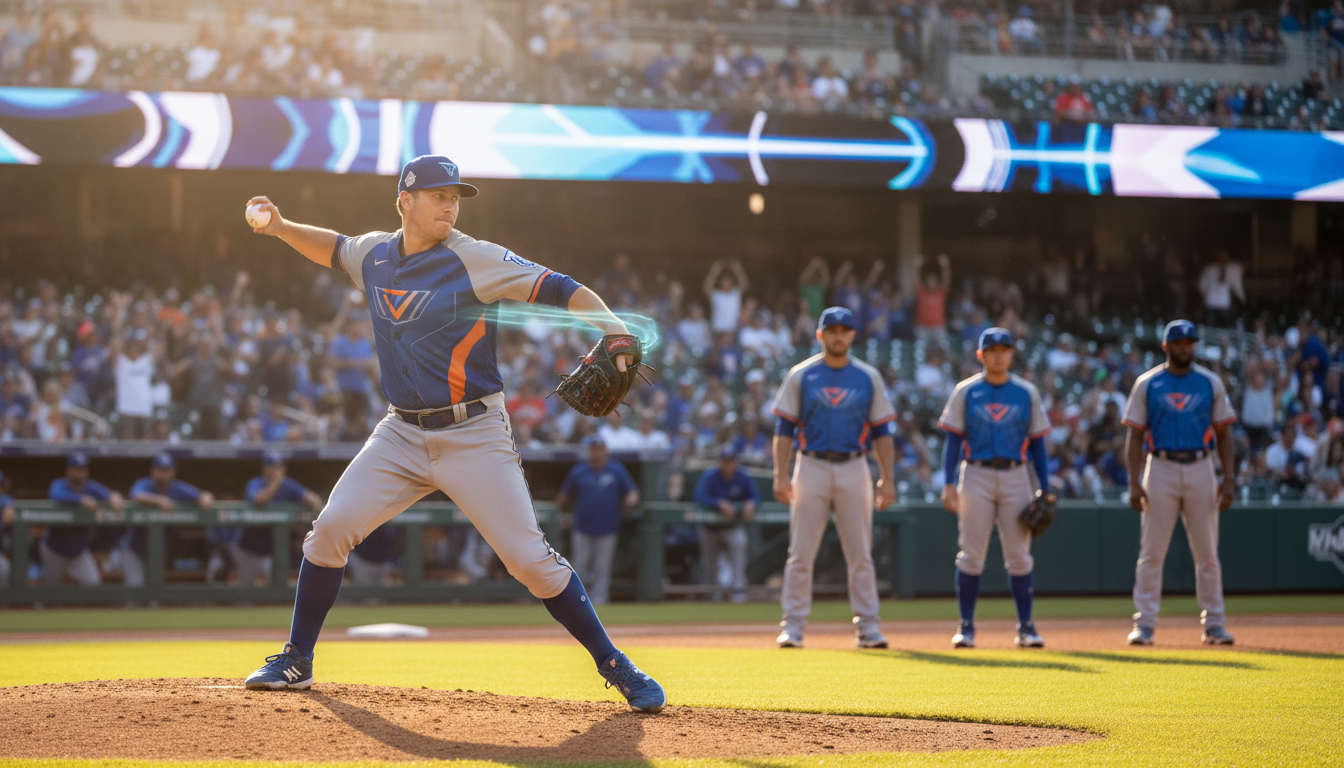
As we step into 2026, the sports world is undergoing a profound transformation, with mental health taking center stage in athlete development and performance. No longer relegated to the sidelines, mental wellness initiatives are reshaping how leagues like the NFL, NBA, and MLB approach player care, fostering resilience and longevity in professional sports. This shift is driven by growing awareness of the pressures athletes face, from intense training regimens to public scrutiny, making it a pivotal topic in today's sports news.
Introduction to Mental Health in Modern Sports
In the fast-paced realm of professional sports, physical prowess has always been the spotlight stealer, but 2026 marks a turning point where mental health is equally emphasized. Organizations are investing heavily in programs that address stress, anxiety, and burnout, recognizing that a sound mind is crucial for peak performance. According to recent reports from sports analysts, the NFL has seen a 25% increase in mental health resources since 2024, while the NBA and MLB are following suit with innovative partnerships involving psychologists and tech companies.
These advancements stem from high-profile cases and studies highlighting the toll of competition on athletes' psyches. For instance, data from the World Health Organization underscores that athletes are particularly vulnerable to mental health challenges, with factors like social media pressure and career uncertainty exacerbating issues. This evolution not only enhances individual careers but also promotes a healthier culture within teams and leagues, making it a hot topic in current sports news updates.
The Rise of Mental Health Awareness in Major Leagues
Over the past few years, awareness of mental health in sports has skyrocketed, propelled by advocacy from athletes and endorsements from league commissioners. In the NFL, for example, new policies mandate mental health check-ins during training camps, a direct response to rising concerns about long-term player well-being. Similarly, the NBA has integrated mindfulness apps into player routines, helping stars manage the demands of a grueling schedule.
MLB, on the other hand, is leveraging data analytics to track mental fatigue, using wearable tech to monitor stress levels during games and off-seasons. This proactive approach is influencing broader sports news, as fans and media alike discuss how these changes are preventing issues like depression and performance anxiety. By 2026, these efforts have become standard, with leagues collaborating on global campaigns to destigmatize mental health discussions.
Key Initiatives and Programs Driving Change
Across the sports landscape, specific initiatives are making tangible differences. The NFL's "Mind Strong" program, launched in 2025, offers confidential counseling and resilience training, which has reportedly reduced injury-related stress by 15% among participants. In the NBA, the Player Assistance Program has expanded to include virtual reality therapy sessions, allowing athletes to simulate and overcome high-pressure scenarios.
MLB's "Baseball Minds Matter" initiative focuses on youth development, educating young players on coping strategies early in their careers. These programs often incorporate elements like cognitive behavioral therapy and group workshops, fostering a supportive community. As part of ongoing sports news coverage, experts highlight how such efforts are not only improving on-field results but also extending athletes' careers by years.
- Confidential counseling services available 24/7 for NFL players.
- Integration of AI-driven mental health apps in NBA training regimens.
- MLB partnerships with mental health nonprofits for community outreach.
- Annual mental wellness summits hosted by major leagues to share best practices.
- Use of biofeedback devices to track and manage stress in real-time.
Success Stories and Their Impact
Real-world examples illustrate the effectiveness of these mental health advances. Take, for instance, an NFL quarterback who credited a tailored mental resilience program for his comeback after a challenging season, turning around his team's performance in the playoffs. In the NBA, a young guard shared in a recent interview how mindfulness techniques helped him navigate trade rumors and maintain focus, a story that's been widely covered in sports news outlets.
MLB players have also benefited, with one pitcher attributing his career-best season to stress management tools provided by the league. These success stories are inspiring a ripple effect, encouraging more athletes to seek help without fear of judgment. As of February 2026, surveys show that 80% of athletes in these leagues feel more supported than ever, underscoring the positive shift in sports culture.
Challenges and the Road Ahead
Despite progress, challenges remain in fully integrating mental health into sports routines. Accessibility is a key issue, particularly for athletes in less resourced teams or international competitions. Moreover, the stigma persists in some circles, though initiatives like those in the NFL and NBA are working to break it down through education and visibility.
Looking forward, experts predict that by 2027, mental health metrics will be as standardized as physical stats, with leagues investing in research to refine these programs. This evolution could extend to other sports, influencing global events and amateur levels, ensuring that mental wellness becomes a universal priority in athletic pursuits.
The Future of Mental Health in Athletics
As we move deeper into 2026, the intersection of technology and mental health is poised to revolutionize sports further. Innovations like AI coaches and virtual support networks are on the horizon, offering personalized interventions that adapt to an athlete's needs. This forward-thinking approach not only enhances performance but also promotes overall life satisfaction for players post-retirement.
In conclusion, the strides made in mental health within the NFL, NBA, and MLB by 2026 are a testament to the evolving nature of sports. By prioritizing athlete wellness, these leagues are setting a precedent for the industry, ensuring that the human element remains at the forefront of competition. As sports news continues to evolve, this focus on mental health will undoubtedly shape the narratives of tomorrow's headlines.