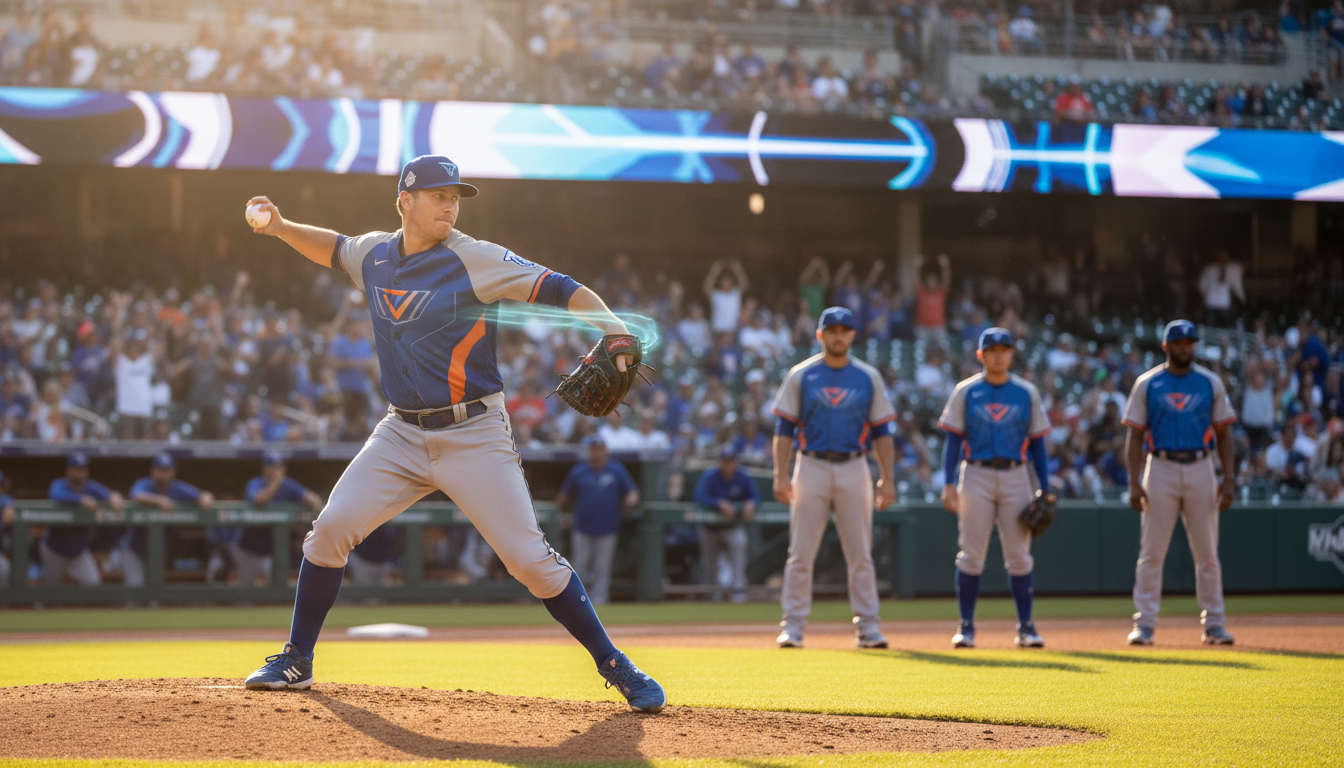
As the 2026 MLB season unfolds, a surprising storyline is emerging: mid-rotation starters are proving to be the unsung heroes for playoff contenders. While aces and closers traditionally dominate headlines, it’s the consistent, durable performances from pitchers slotted in the second, third, and fourth spots that are propelling teams to new heights. Let’s explore why these mid-rotation arms have become so valuable and which teams are benefiting most from their rise.
Shifting Pitcher Roles: Why Mid-Rotation Starters Matter More Than Ever
Over the past decade, the MLB landscape has evolved, with bullpen strategies, pitch counts, and innings limits becoming central to team management. But as offenses trend upward and rotation depth becomes critical, the value of reliable mid-rotation starters has skyrocketed:
- Durability: With managers keen to avoid overtaxing their bullpens, dependable starters capable of throwing 6+ innings - without ace-level expectations - are vital.
- Cost Efficiency: Many mid-rotation pitchers offer excellent value relative to their salary, freeing up resources for clubs to spend elsewhere.
- Stabilizing Effect: These pitchers provide crucial consistency. Even if they don’t possess overpowering stuff, their ability to limit damage and keep games competitive is invaluable across a long season.
Breakout Mid-Rotation Stars in 2026
Several pitchers previously considered "back-end" starters are making headlines with their elevated performances:
- Tyler Buchanan, Texas Rangers: Buchanan, acquired in a low-profile trade, has sparked the Rangers’ rotation with a 2.89 ERA and impressive WHIP through mid-May. His ability to pitch deep into games has been crucial for the injury-hit staff.
- Lucas Saito, Milwaukee Brewers: Saito, a former reliever, transitioned smoothly to a starter role. His mid-rotation innings have anchored Milwaukee’s unexpected run atop the NL Central.
- Andrew Velasquez, San Diego Padres: Velasquez’s deceptive slider and groundball approach have enabled him to hold opposing lineups in check. His presence behind the Padres’ ace has steadied the rotation.
- Felipe Ramos, Boston Red Sox: Ramos, signed in free agency, has delivered exactly what Boston needed - a reliable, quality starter who consistently keeps the team in games.
Why Contenders Are Building Around Rotation Depth
Front offices have begun to prioritize rotation depth over chasing a single superstar. The reasons are clear:
- Long Season Wear and Tear: Injuries are inevitable, and having multiple trustworthy starters allows teams to weather the storm.
- Postseason Value: Come October, matchups and rest days demand flexibility. Teams with three or four strong starters can better navigate playoff series.
- Analytics-Driven Decision Making: Data shows that teams with above-average performance from their mid-rotation arms outperform those reliant only on ace-level pitching.
What Makes a Successful Mid-Rotation Starter?
Today’s MLB mid-rotation star is defined by several traits:
- Pitch Mix and Adaptability: Having two or three reliable pitches and the ability to adjust based on scouting reports.
- Control and Command: Limiting walks and working efficiently through lineups.
- Resilience: Bouncing back from tough outings and maintaining mental fortitude.
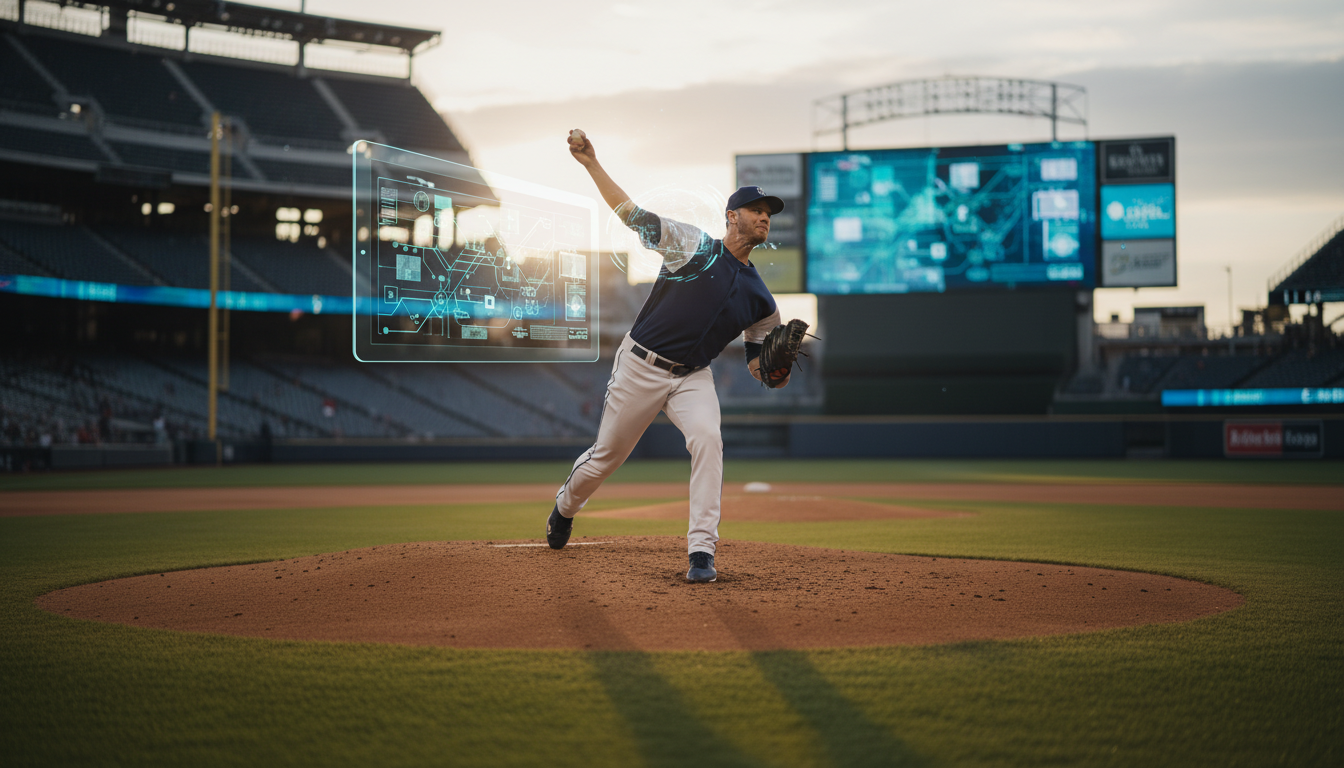
Many mid-rotation starters are also embracing modern training techniques, utilizing video analysis, and working closely with analytics coaches to refine their approach.
Looking Ahead: Will Mid-Rotation Stars Continue Their Ascent?
With more teams building rotations from the middle out, the role of mid-rotation starters could become even more prominent. As free agency and trade deadlines approach, expect contenders to target these undervalued arms, recognizing their critical impact across both the regular season and playoffs.
In 2026, the era of the mid-rotation starter is here - and the teams that invest wisely in these reliable arms may find themselves celebrating in October.