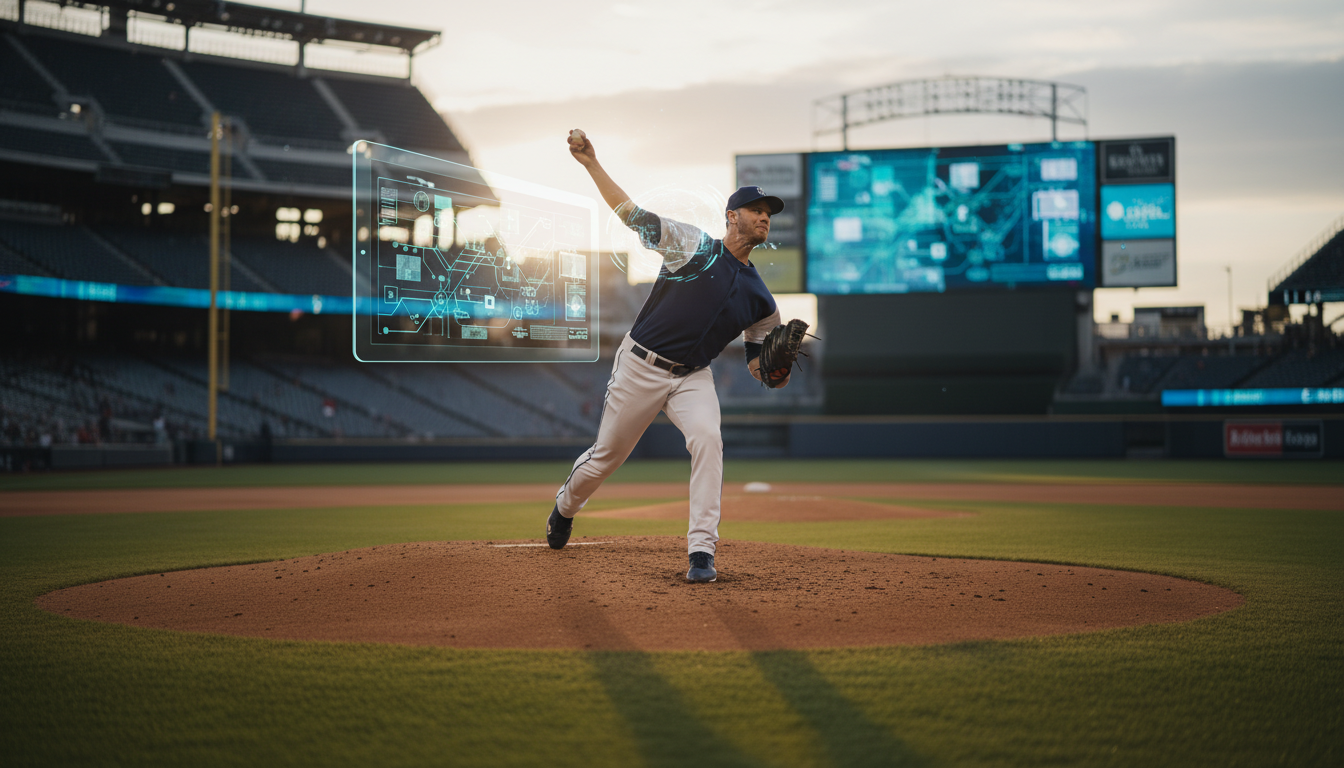
The 2026 MLB season is shaping up to be one of the most exciting in recent memory, not just because of the competitive teams and superstar performances, but due to a revolution happening behind the scenes: high-tech batting analytics. As franchises seek every edge possible, advanced data and digital tools are changing how hitters prepare, adapt, and dominate at the plate.
Batting Analytics: A New Era in Player Development
For decades, hitting coaches relied on intuition, frame-by-frame video, and basic stats to help players improve. Now, clubs are deploying cutting-edge technologies - such as bat sensors, machine-learning algorithms, and real-time biomechanical feedback - to pinpoint strengths and correct weaknesses. Players are embracing these innovations, and the results are starting to show in league-wide offensive numbers.
- Biosensor Bat Handles: Devices embedded in bat grips track swing speed, angle, and wrist movement, providing instant feedback to hitters and coaches.
- AI-Powered Pitch Recognition: Software uses thousands of pitch sequences to help batters sharpen their ability to identify and react to breaking balls and off-speed pitches.
- Virtual Reality Training: VR setups simulate live MLB pitching, allowing players to practice against the league’s toughest arms without stepping onto the field.
Game-Day Adjustments: Data in Real-Time
What separates successful hitters in 2026 is the speed at which they adapt during games. Teams are leveraging analytics in the dugout, where tablets and wearable tech allow players to review their at-bats, compare tendencies, and identify what opposing pitchers are trying to exploit.
- Hitters can break down their swing mechanics between innings via high-speed video synced with sensor data.
- Coaches review pitch location heatmaps to recommend adjustments in stance or bat angle.
- Data-driven scouting reports update as games progress, giving teams a tactical edge against unpredictable pitching changes.
Case Study: The Rise of Analytics-Driven Sluggers
Several young stars have credited analytics for dramatic turnarounds and breakout performances. Take the example of Javier Martinez (New York Yankees), who struggled in his rookie campaign but saw his average jump 60 points after working with AI pitch recognition tools.
Martinez’s coach, Sara Beasley, explains: “By combining bat sensor data with real-time game video, we identified he was dropping his hands on inside fastballs. After targeted VR reps and swing tweaks, his home run rate doubled.”
Other teams, including the Seattle Mariners and Atlanta Braves, have followed suit, investing in analytics departments and partnering with tech startups to gain and maintain a competitive edge.
Challenges & Future Outlook
While the high-tech revolution is widely celebrated, it does present challenges. Some veterans resist the new methods, preferring traditional approaches. Privacy concerns have arisen regarding the collection of biometric data on players. Additionally, balancing technology with the mental aspect of hitting remains crucial - no amount of data can replace the confidence and instinct forged through experience.
Looking ahead, the MLB could see further integration of real-time analytics, even for fans and broadcasters. Imagine watching a game and seeing instant analytics overlays for every pitch and swing, deepening understanding and engagement.
Conclusion
The transformative impact of high-tech batting analytics is evident in improved offensive performance, increased player development, and more strategic game-day adjustments. As teams continue to push the boundaries of technology, expect the 2026 season to deliver jaw-dropping moments fueled by data-driven innovation.