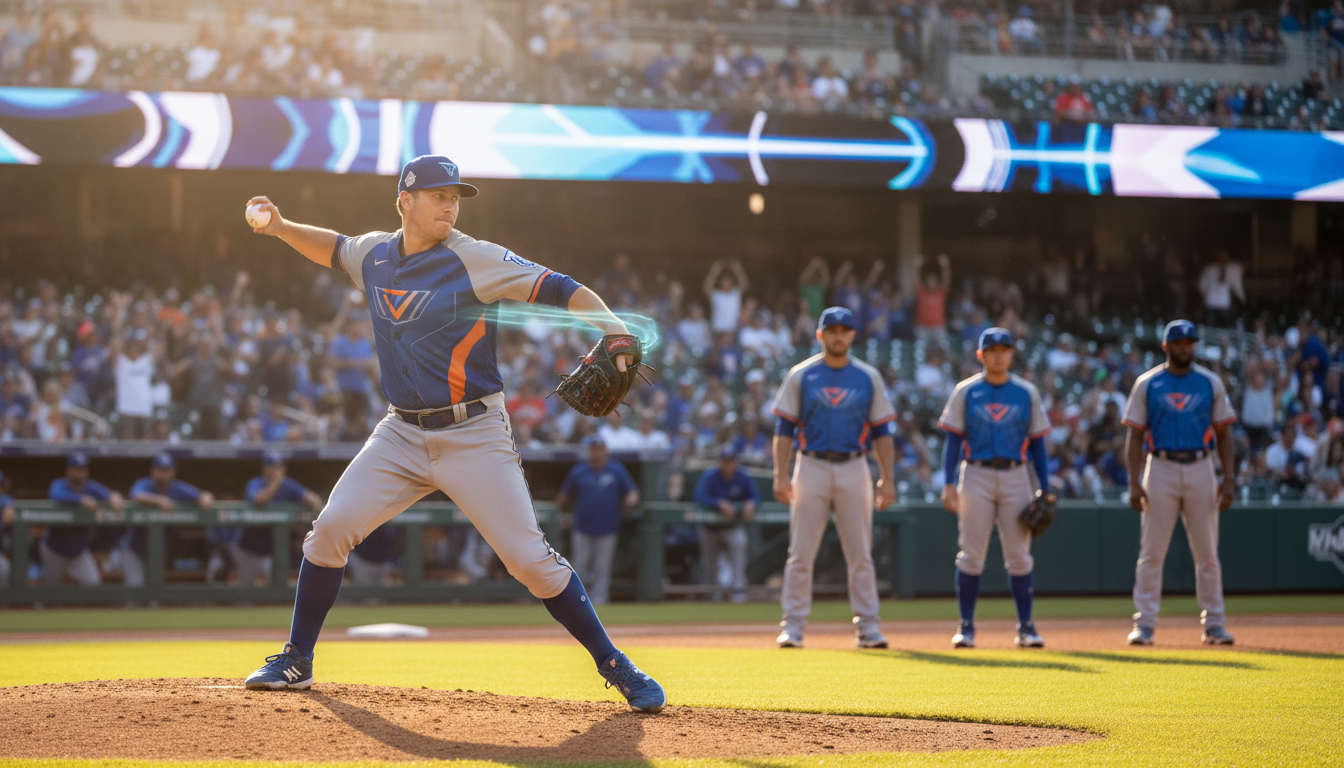
In the fast-paced world of Major League Baseball, where every pitch can tip the scales of a game, managing pitcher workloads has become a critical art form. As we move through May 2026, teams are fine-tuning their strategies to prevent injuries and maximize performance, especially after a string of early-season arm issues. This article delves into how MLB teams are innovating workload management, blending technology, analytics, and old-school intuition to keep their aces on the mound longer.
The Evolution of Pitcher Workload in MLB
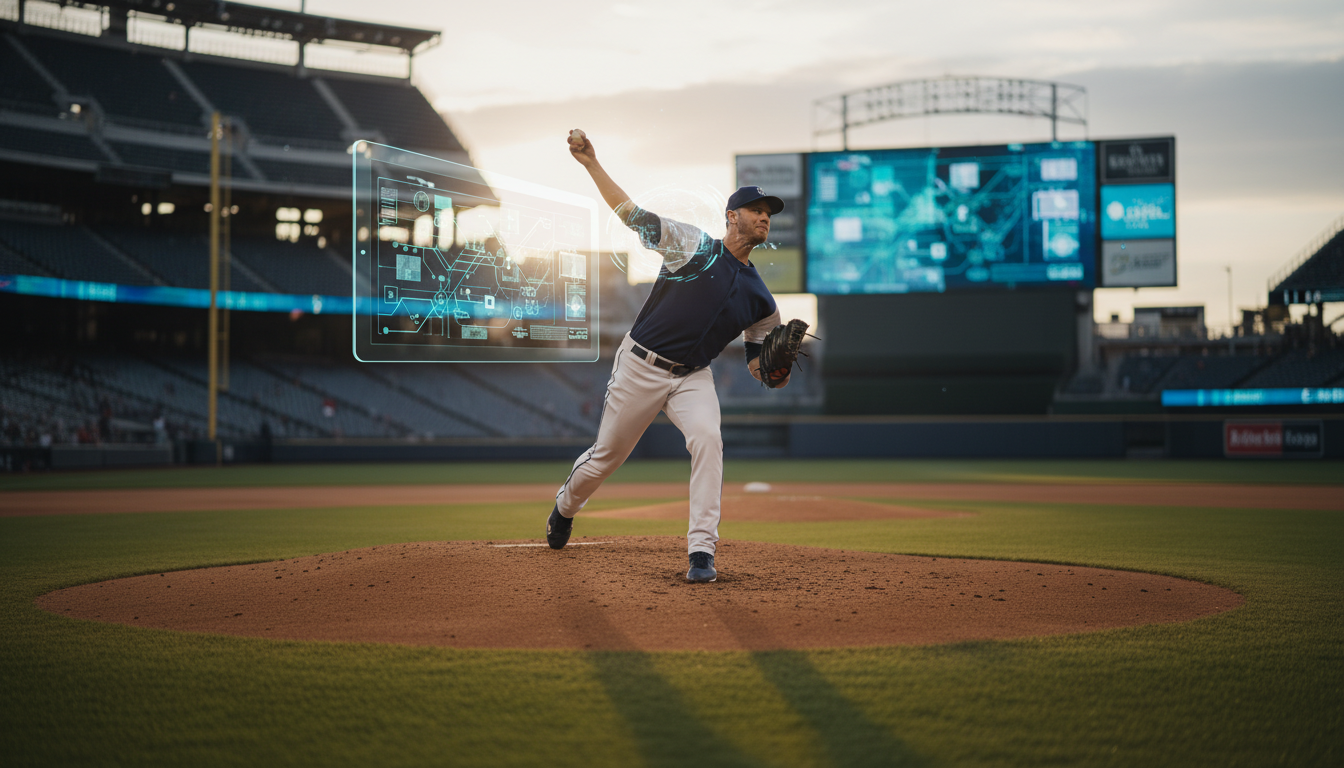
Pitcher workload management isn't new, but in 2026, it's evolved dramatically due to advancements in sports science and data analytics. Gone are the days of simply counting innings; teams now monitor metrics like pitch velocity, spin rates, and even biometric data from wearable tech. For instance, the integration of advanced sensors in uniforms allows real-time tracking of a pitcher's fatigue levels, helping coaches make informed decisions before a player's arm gives out.
Historically, pitchers like Nolan Ryan or Greg Maddux threw hundreds of innings per season, but that approach led to frequent injuries. In recent years, the pitch clock and other rule changes have accelerated the need for smarter management. By May 2026, we're seeing a shift where teams prioritize quality over quantity, focusing on pitch efficiency rather than sheer volume. This change is evident in how organizations like the Los Angeles Dodgers and New York Yankees are restructuring their rotations.
Key Strategies in 2026: Analytics and Technology at the Forefront
One of the most exciting developments in MLB this year is the use of artificial intelligence (AI) to predict pitcher fatigue. Teams are employing machine learning algorithms that analyze past performance data to forecast when a pitcher might be at risk. For example, if a starter's fastball velocity drops by 2 mph in the fifth inning, the system flags it, prompting bullpen adjustments.
Take the Boston Red Sox as a case study. Their analytics team has implemented a "green-yellow-red" alert system based on player biometrics. Green means full steam ahead, yellow signals caution, and red demands immediate rest. This approach has already helped them navigate early May games without major injuries, unlike last year's rash of elbow strains league-wide.
- Rotation Scheduling: Teams are experimenting with six-man rotations to give pitchers an extra day of rest, reducing the physical toll of back-to-back starts.
- Bullpen Optimization: Relievers are being cross-trained for multiple innings, allowing starters to exit earlier without compromising game outcomes.
- Off-Field Recovery Protocols: Enhanced recovery includes cryotherapy chambers, personalized nutrition plans, and even virtual reality sessions for mental preparation, all aimed at extending a pitcher's career.
These strategies aren't just theoretical; they're backed by data. According to MLB's official statistics, teams that effectively manage workloads see a 15% reduction in Tommy John surgeries compared to those that don't. In 2026, this has translated to stronger performances in divisional play, with pitchers like the Houston Astros' ace maintaining high strikeout rates deep into the season.
Challenges and Controversies in Workload Management
Despite the benefits, workload management isn't without its hurdles. Critics argue that over-reliance on data can strip away the human element of the game. For instance, some veteran managers feel that pulling a pitcher too early based on algorithms might rob fans of thrilling, come-from-behind victories. In May 2026, this debate intensified after a high-profile game where a star pitcher was removed in the seventh inning despite showing no visible signs of fatigue, only for the bullpen to falter.
Another challenge is the financial aspect. Top-tier pitchers command massive contracts, so teams must balance investment with protection. The Chicago Cubs, for example, faced scrutiny earlier this month when their key starter missed a series due to a minor strain, raising questions about whether better workload planning could have prevented it. On the flip side, players' unions are pushing for more input, ensuring that health decisions aren't solely driven by team analytics.
- Injury Prevention vs. Performance: While rest days help avoid long-term damage, they can disrupt a pitcher's rhythm, potentially affecting early-season win totals.
- League-Wide Consistency: Not all teams have access to the same technology, creating disparities that could influence competitive balance in MLB.
- Player Buy-In: Younger pitchers are more adaptable to tech-driven plans, but some established stars resist, preferring traditional methods.
This tension highlights the need for a collaborative approach, where data informs but doesn't dictate decisions. As the season progresses into May, we're seeing more teams adopt hybrid models that combine analytics with managerial expertise.
Spotlight on Standout Performances and Future Implications
In the early weeks of the 2026 season, pitchers who have embraced workload management are shining. Consider the San Francisco Giants' staff, which has integrated yoga and mindfulness into their routine, leading to improved endurance and fewer meltdowns on the mound. Their ace recently threw seven innings in a win against the Arizona Diamondbacks, crediting the new protocols for his sustained focus.
Looking ahead, the long-term impact of these strategies could reshape MLB. If successful, we might see fewer disabled list stints and more consistent high-level play, potentially extending players' careers and enhancing the overall quality of the game. As we approach the All-Star break, experts predict that teams excelling in workload management will have a clear edge in the playoffs.
In conclusion, pitcher workload management in MLB 2026 is more than a trend - it's a necessity for sustained success. By leveraging technology and smart planning, teams are not only protecting their investments but also elevating the sport. As fans, we're in for an exciting ride, watching how these innovations play out on the diamond.