The MLB trade deadline, a highlight of the baseball calendar, brings the league’s front offices under the microscope. As the 2026 deadline approaches, clubs across the majors are making significant roster moves with playoff hopes on the line. This season stands out for its creative strategies, deep analytics, and willingness to take calculated risks.
Active Deal-Making: Veteran Leadership, Versatility, and Pitching Depth
This year’s trade deadline has been marked by widespread activity. With league parity and tight wild card races, many franchises are making aggressive moves to gain an edge for the postseason.
- Veteran Star Power: Teams such as the Los Angeles Dodgers and New York Yankees are prioritizing experienced hitters and pitchers. These veterans bring leadership and playoff experience, which can be crucial in high-pressure October games.
- Multi-Position Players: Clubs like the Minnesota Twins and Chicago Cubs are actively seeking players who can play multiple positions. This flexibility helps managers handle injuries and late-season roster adjustments.
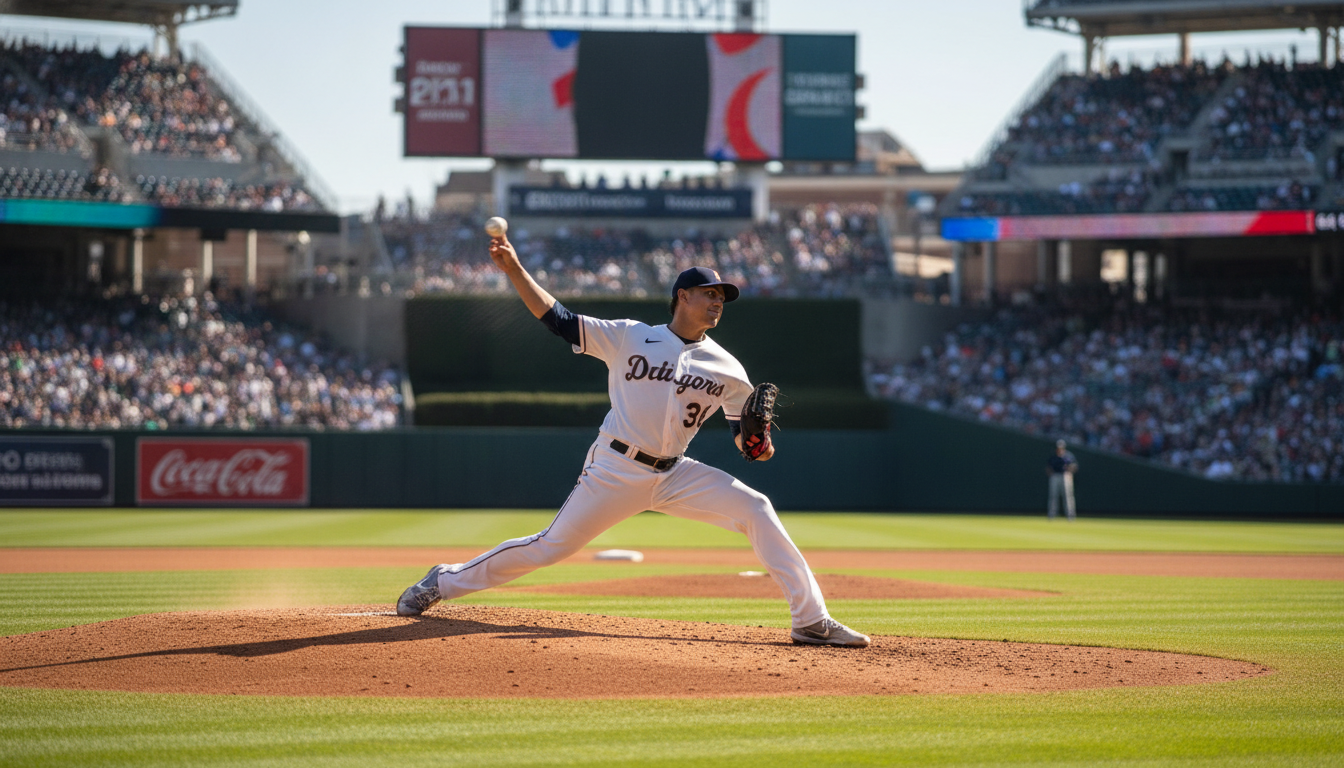
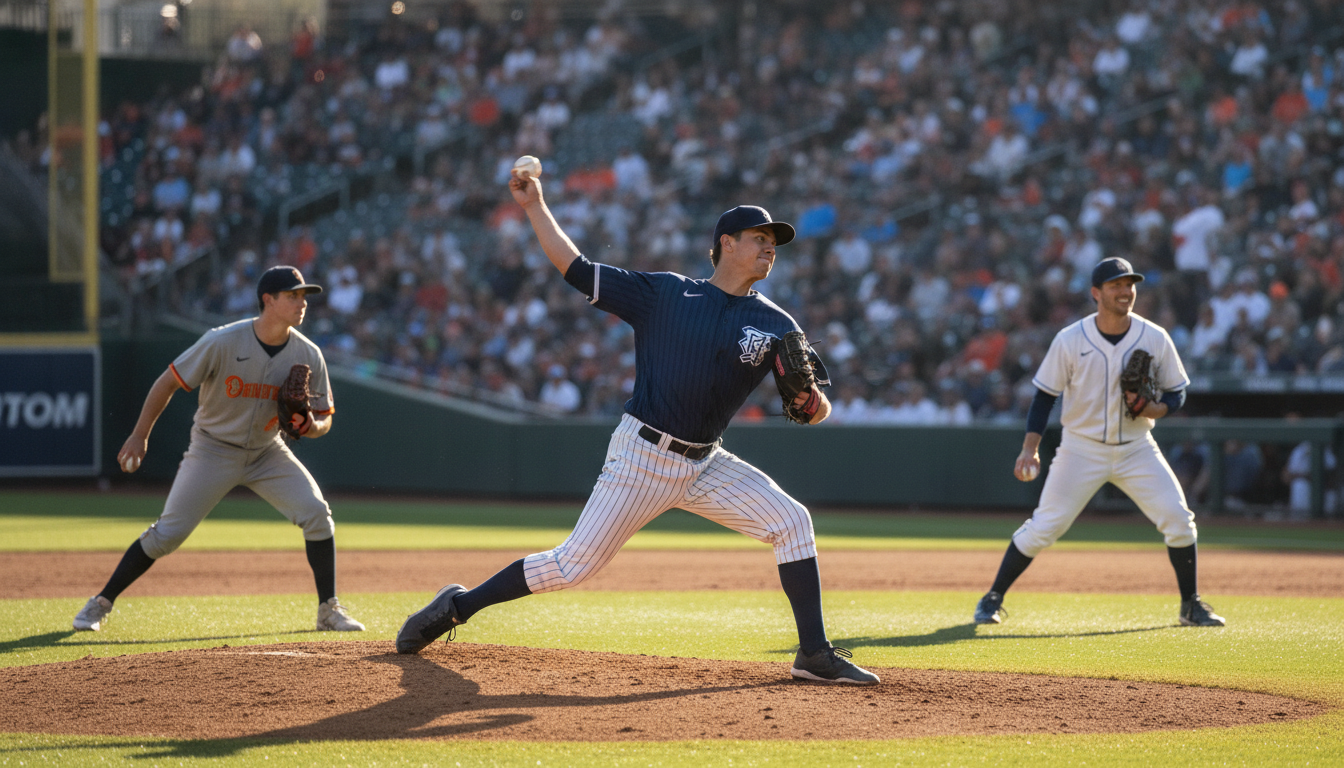
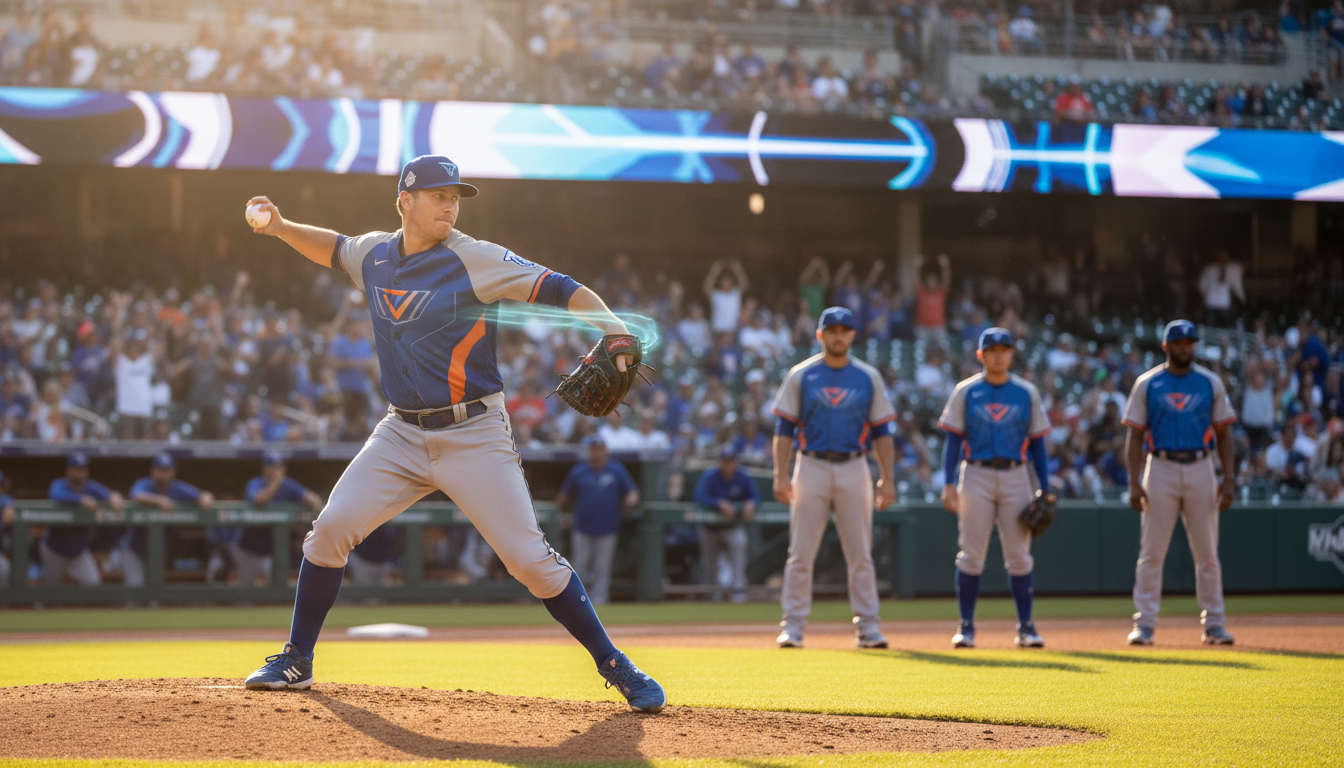
- Pitching Reinforcements: Many playoff hopefuls are upgrading their bullpens and back-end starters. The Toronto Blue Jays and Atlanta Braves have been particularly focused on adding depth to their pitching staffs, aiming to avoid late-game collapses.
These approaches show a shift from blockbuster-only deals to a more balanced roster-building philosophy. For teams looking to stay competitive, the right mix of veteran talent and versatile depth can make all the difference.
Headline Trades Shaping the 2026 Playoff Race
Several major trades have already changed the playoff outlook this season.
- San Diego Padres land an ace: The Padres traded for a top-tier starting pitcher, fortifying their rotation. This move signals they are willing to sacrifice minor league talent for a shot at the National League West title.
- Houston Astros add a power bat: The Astros addressed their offensive struggles by acquiring a slugging outfielder. The impact was immediate, as the new arrival homered in his debut, giving the lineup a much-needed boost.
- Boston Red Sox bolster the bullpen: Boston’s front office secured two reliable relievers, helping the team survive tight late-inning situations. In a close American League East race, improved bullpen performance could be a deciding factor.
Beyond these headline moves, smaller-market teams have also made smart, targeted acquisitions. The Milwaukee Brewers and Arizona Diamondbacks, for example, have added role players to address specific weaknesses, hoping for sustained success down the stretch.
Contenders’ Strategies: Balancing Immediate Impact and Long-Term Planning
Every trade deadline forces teams to consider the balance between winning now and protecting future assets. Some franchises are willing to trade top prospects for a chance at the World Series, while others stay cautious, preferring incremental upgrades.
The Philadelphia Phillies are taking a measured approach. By targeting undervalued veterans on short-term contracts, they maintain roster flexibility for upcoming seasons. Meanwhile, the Seattle Mariners have parted with young talent to secure a premium closer, showing they want to maximize their current competitive window.
This diversity in strategy highlights the complexity of modern MLB front office decision-making. For some organizations, the goal is immediate playoff success. For others, the focus remains on building a sustainable contender for years to come.
Emerging Trends: Analytics and International Talent
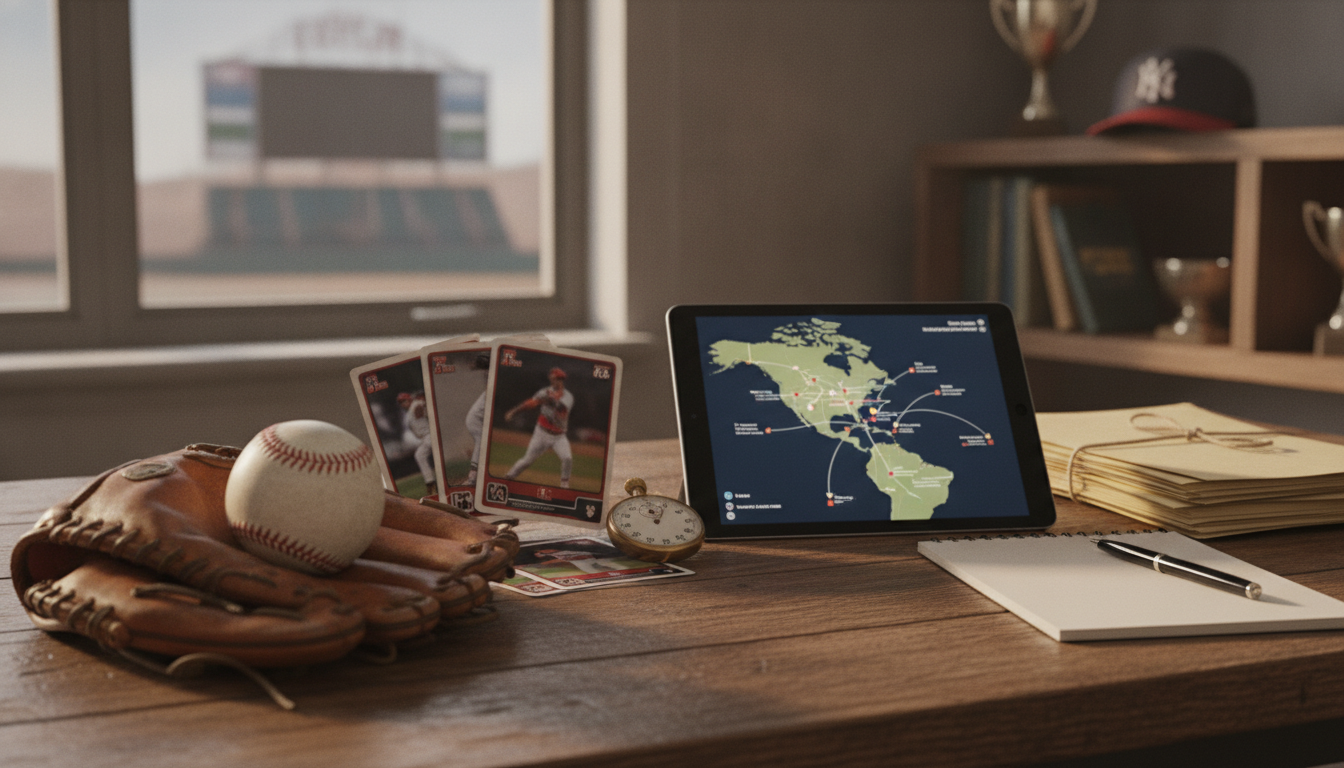
Advanced analytics are now central to trade deadline decisions. Teams rely on performance metrics, injury histories, and detailed projections instead of traditional scouting alone. This data-driven approach has led to several under-the-radar trades, where players with strong underlying numbers are snapped up by contenders.
International talent is also making an impact. Organizations are scouting overseas leagues for players who can contribute right away. The Tampa Bay Rays, for example, recently added a standout pitcher from Japan who is expected to play a key role in their rotation.
These trends suggest the MLB is evolving, with teams taking advantage of new information and global scouting networks to find competitive advantages.
Post-Deadline Impact: Playoff Implications and What to Watch
Once the dust settles, the focus shifts to how acquisitions affect the playoff chase. Historically, aggressive trade deadlines have rewarded teams willing to take risks. In 2026, with so many clubs making bold moves, the postseason race is set to be unpredictable and thrilling.
The Chicago White Sox, after a flurry of transactions, are poised to challenge for a wild card spot. Fans should also keep an eye on the integration of new talent, especially how quickly players adapt to their new teams and roles.
- Will pitching depth added by contenders hold up in crucial September games?
- Can multi-position players help teams weather injuries and lineup changes?
- How will international signees perform as the league intensifies?
These questions will define the playoff picture and separate true contenders from the rest.
Key Takeaways for Fans
- The 2026 trade deadline has featured a mix of blockbuster deals and subtle upgrades.
- Teams are relying more on analytics and global scouting than ever before.
- The playoff race remains open, with both large and small-market clubs making moves to compete.
- Watch for the impact of new acquisitions, especially in pitching and versatile roles, as the season winds down.
As the regular season heads toward its final weeks, every transaction will matter. The league’s parity means plenty of drama, with teams fighting for postseason spots and fans watching some of the most exciting stretches in recent memory.