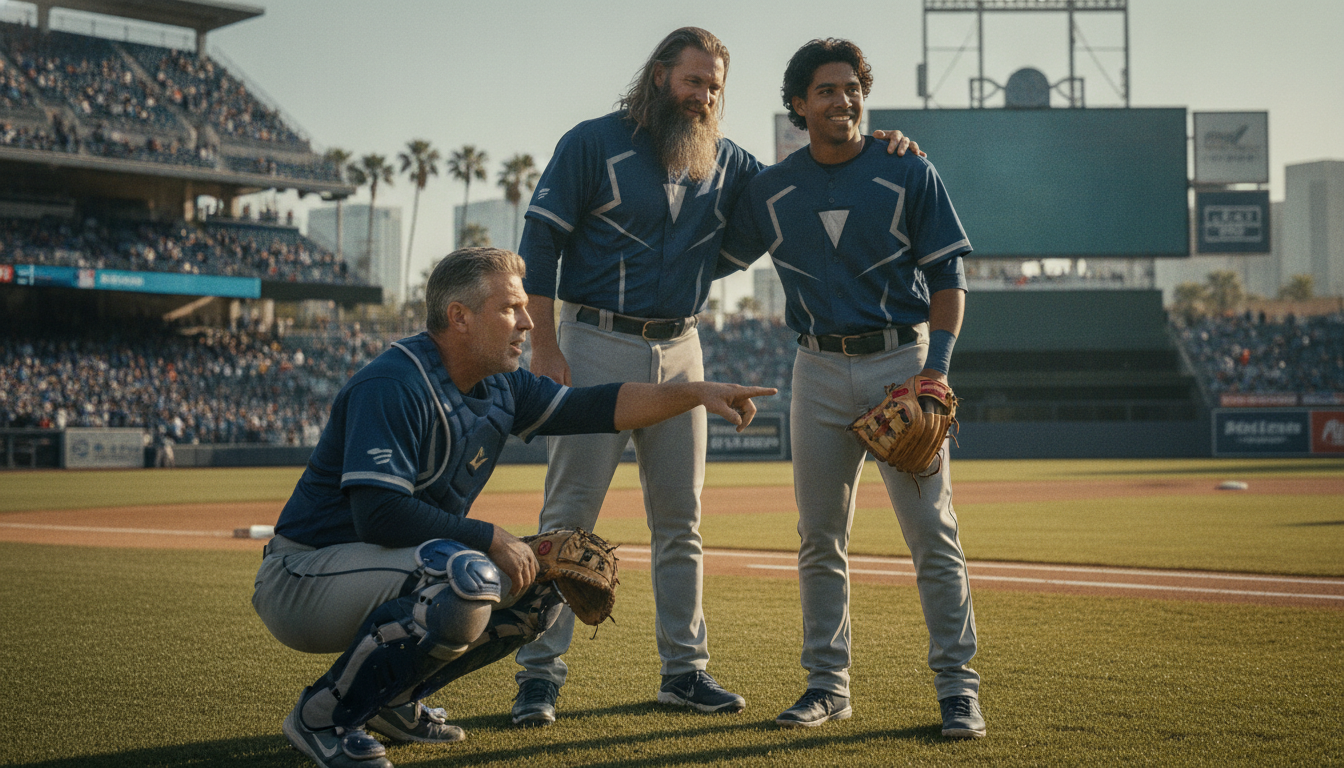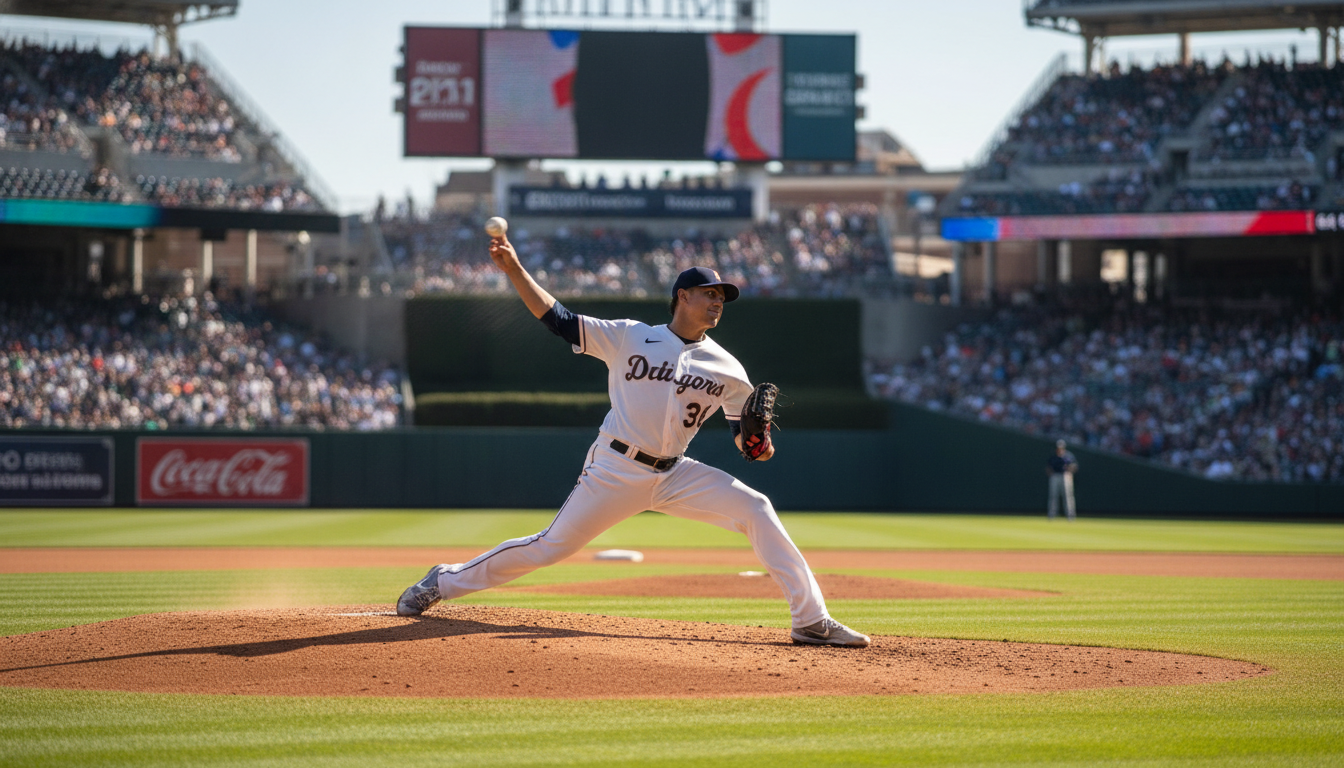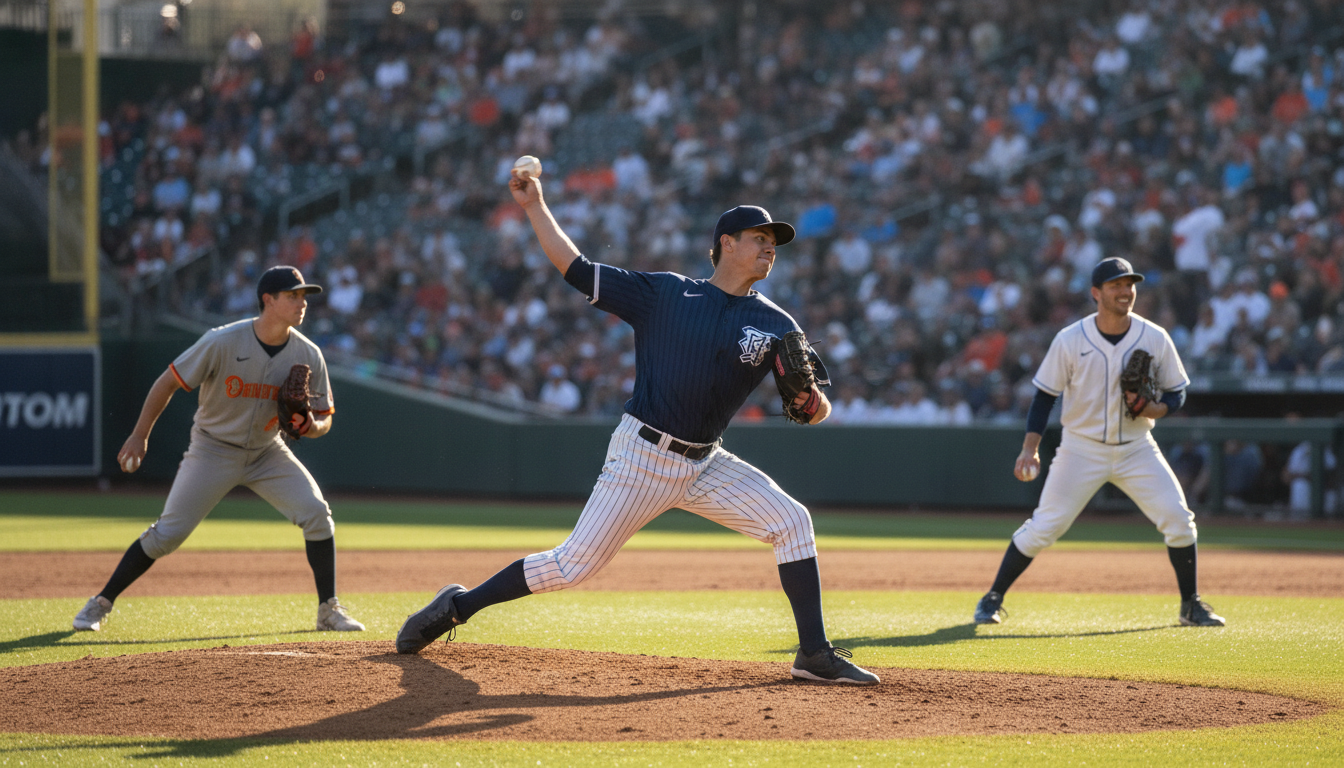
The 2026 MLB season is delivering excitement from the mound, with rookie and second-year pitchers grabbing the spotlight in both leagues. Teams that once depended on veteran arms now count on young, homegrown talent to anchor their rotations, and the results are transforming playoff races and team strategies. With these emerging pitchers turning heads, fans are witnessing a new era where youth is driving the action and reshaping the balance of power across Major League Baseball.
Rookies Rising: The Standout Arms
The shift toward developing young pitchers has been trending for years, but 2026 is the season where results are headline-worthy. Teams that prioritized their farm systems are finally reaping the rewards as new stars establish themselves under the bright lights of MLB stadiums.
- Jake Ramirez (Miami Marlins): Ramirez has quickly become Miami’s ace, bringing a 98-mph fastball and a deceptive slider that keeps hitters off-balance. Through his first twelve starts, Ramirez sports an ERA under 2.50, routinely stifling some of the league’s top offenses. His arrival has energized a Marlins team that was widely pegged as a rebuilding club and now finds itself in serious contention in the NL East.
- Michael Chen (Seattle Mariners): After being thrust into a bigger role due to injuries, Chen has responded with rare poise for a rookie. He’s dominated at T-Mobile Park, holding opponents to a.180 average at home and giving the Mariners a reliable presence every fifth day. Chen’s emergence has been crucial in steadying Seattle’s rotation as they fight for a playoff spot.
- Victor Dominguez (Atlanta Braves): Dominguez leads all rookie pitchers in strikeouts, dazzling with a nasty curveball and impressive mound presence. He’s become a fixture in Atlanta’s rotation, helping the Braves manage bullpen workloads and sustain their playoff ambitions.
Other teams are also benefiting from young arms, but these three standouts have quickly become must-watch players and difference-makers for their clubs.
The New Rotation Model: Why Teams Trust Young Pitchers
Traditionally, MLB teams leaned on proven veterans to handle starting roles, with younger pitchers working their way up through relief appearances or spot starts. In 2026, that approach is evolving quickly. Several factors have led managers to put more trust in rookie starters:
- Cost Efficiency: Rookie contracts offer tremendous value, especially as free agent prices climb each offseason. Teams can allocate resources elsewhere while getting quality innings from young arms.
- Advanced Development: Improvements in minor league coaching, data analysis, and injury prevention mean that young pitchers arrive in the majors with better command, pitch selection, and professional routines.
- Health Management: With fewer innings on their arms, these pitchers are often fresher, and their workloads are monitored closely to avoid injury. This has allowed teams to keep rotations healthy deeper into the season.
The result is a more dynamic game. Young pitchers bring energy and adaptability, helping their teams weather injuries and making rotations deeper and more unpredictable. Fans are seeing more aggressive approaches, with managers unafraid to let promising rookies face tough lineups and high-leverage situations. This has created a new level of excitement in regular season matchups and set the stage for dramatic playoff races.
Influence on the 2026 Playoff Picture
The breakout performances of rookie pitchers are not just a good story - they are directly changing the course of division races and postseason chases. Several clubs have exceeded expectations thanks to their young starters:
- Miami Marlins: Jake Ramirez’s dominance has sparked a Marlins surge, putting them in the thick of the NL East race. Miami’s ability to lean on a rookie ace has allowed them to compete with teams loaded with established stars.
- Seattle Mariners: With Michael Chen providing stability, the Mariners have maintained their place in the playoff conversation despite losing veterans to injury. His ability to handle pressure starts has been a turning point for Seattle’s staff.
- Atlanta Braves: Victor Dominguez’s consistency has helped the Braves conserve their bullpen and win close games. His strikeout ability gives Atlanta a weapon in both regular season battles and potential postseason matchups.
These examples highlight how investing in young pitching talent can redefine a team’s season. The unexpected success of clubs like Miami and Seattle shows the strategic advantage that can come from trusting the next generation with big-league roles. As the playoff chase heats up, teams with reliable rookie starters have the stamina and flexibility to push for October.
Obstacles and Adjustments: The Rookie Experience
Despite the upside, young pitchers still face significant challenges as they adjust to major league competition. The physical and mental demands of a full MLB season test even the most talented prospects.
- Managing Workloads: Pitch counts for rookies are closely monitored. Managers often limit innings to keep arms fresh for late-season pushes and potential playoff appearances.
- Opponents Adjusting: As opponents gather more scouting data, hitters adapt quickly. Young pitchers need to keep evolving their pitch mix and game plans to stay ahead.
- Pressure and Expectations: High-pressure games, especially for teams in contention, put mental and emotional strain on young arms. The ability to remain focused and bounce back from setbacks is crucial to long-term success.
So far, the rookie class of 2026 has responded well. Coaches and veteran teammates have praised their preparation and willingness to adjust. Many have pointed out that today’s prospects arrive with more advanced mental skills, thanks in part to improved player development programs and exposure to high-level competition from a younger age.
Implications for the Future of MLB Pitching
As the season progresses, all eyes are on these breakout pitchers to see if their performance can be sustained under mounting pressure. A strong finish could vault some into consideration for Rookie of the Year or even Cy Young voting, amplifying their status as building blocks for their franchises.
This wave of young talent is likely to influence team strategies for years to come. Organizations will continue prioritizing pitching in the draft and international market, while investing in analytics and coaching to accelerate development. The success stories of 2026’s rookie sensations are already shaping how front offices build rosters and allocate resources.
For fans, the rise of these young pitchers means a more unpredictable, high-energy game. There is genuine excitement around watching the next ace take the stage, and anticipation for who will emerge as the face of the league’s new pitching era.