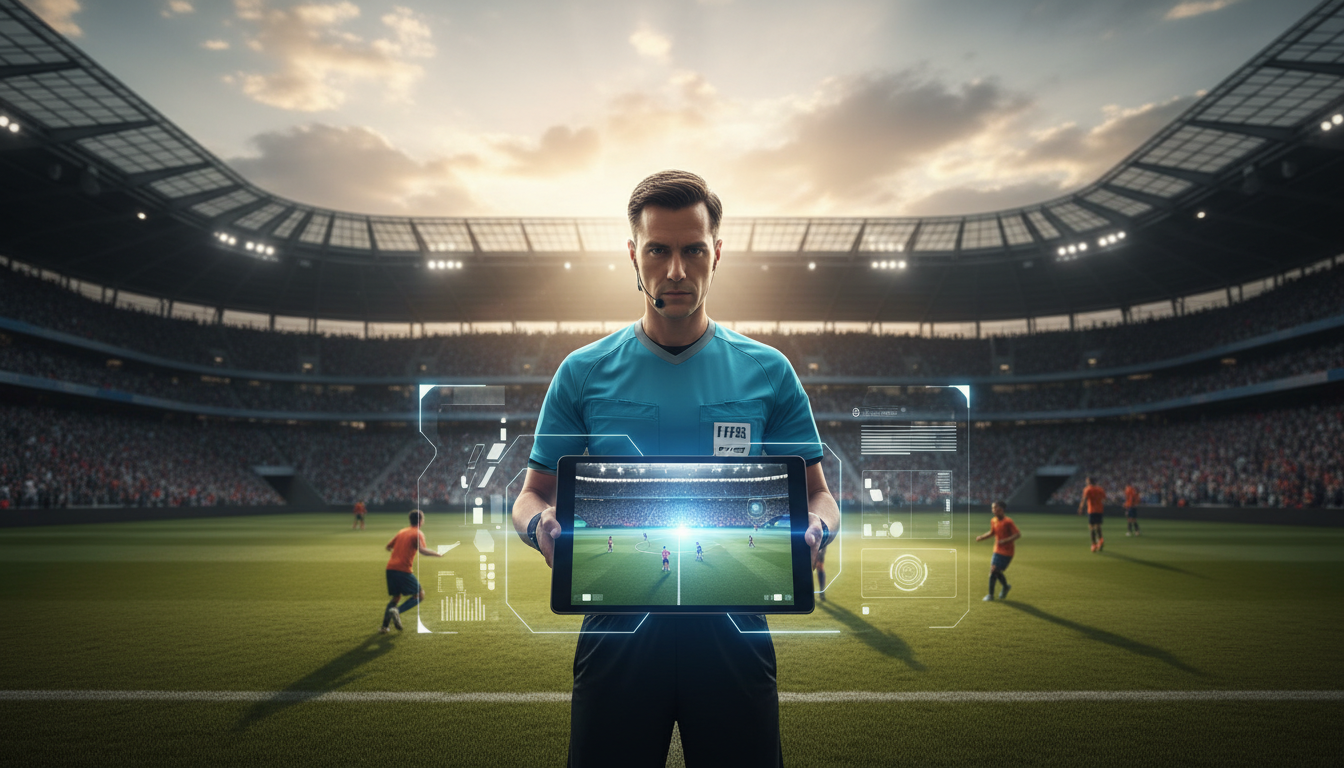
Since its global implementation, Video Assistant Referee (VAR) technology has become one of the most influential - and hotly debated - innovations in soccer. As of 2026, with new rules and refined protocols, VAR is more deeply woven into the sport's fabric than ever before. This article explores the current state of VAR, its impact on domestic and international competitions, and what key figures in the soccer world are saying about its future.
How VAR Works in 2026: Updates and Innovations
VAR was introduced to minimize clear and obvious errors in crucial game-changing situations, such as goals, penalties, direct red cards, and mistaken identity. But as technology advanced, so did the demands for quicker, more transparent decisions. In 2026, several updates have made the process smoother:
- Automated Offside Detection: Semi-automated offside technology, first seen in major international tournaments, is now standard across top leagues, including the Premier League, Bundesliga, and MLS. Artificial intelligence-driven cameras map player positions in real-time, reducing delays and controversy.
- Enhanced Audio Transparency: For the first time, referees in FIFA competitions are permitted to communicate their decisions through stadium PAs, offering fans insight into the deliberation process - similar to practices in rugby and the NFL.
- Challenge System Pilots: Taking inspiration from tennis and the NHL, some leagues are testing a system allowing managers a limited number of VAR challenges per match, aiming to balance fairness with game flow.
League Perspectives: MLS, Premier League, and Beyond
MLS has been at the forefront of VAR innovation in North America, implementing expanded video review coverage and piloting the manager challenge system in select matches. The league reports a 20% reduction in controversial decisions since 2024, while average review time has dropped below 60 seconds per incident.
In Europe, the Premier League and Serie A have adopted similar protocols, though cultural attitudes toward VAR still vary. While Italian fans favor the accuracy of the system, English supporters have expressed frustration about interruptions to the game's rhythm. Clubs and players, meanwhile, continue to adapt tactics, with defenders and goalkeepers especially mindful of camera scrutiny in the penalty area.
Player and Fan Reactions: Divided Opinions
Players have mixed feelings about VAR’s omnipresence. Veteran Spanish midfielder Sergio Busquets commented recently, “We want the right decision, but the emotion in the stadium matters too. VAR is better now, but it must keep improving.”
Fan sentiment remains sharply divided. A 2026 survey of Premier League season ticket holders revealed a nearly even split: 48% support continued VAR use, citing fairness, while 46% believe it disrupts the flow. However, support grows in high-stakes matches, such as World Cup qualifiers, where the stakes demand accuracy.
FIFA World Cup 2026: The Biggest VAR Stage Yet
The upcoming FIFA World Cup, set to take place in North America, will showcase the most advanced version of VAR yet. FIFA has confirmed that every stadium will be equipped with over 20 high-speed cameras and 3D animation software for offside and handball incidents. Additionally, referees will announce final decisions over the PA, a move designed to foster transparency and dampen controversy.
After the contentious penalty awarded in the 2022 final and subsequent high-profile debates, FIFA's Refereeing Committee is determined to use advanced VAR to "protect the integrity of the game." Pre-tournament training camps for match officials will focus extensively on communication skills, aiming to build public confidence in both the technology and those who wield it.
Controversies and Landmark Decisions
No discussion of VAR would be complete without its controversies. In 2025, a dramatic Champions League semifinal between Bayern Munich and Manchester City saw two goals disallowed for fractional offside, sparking renewed debates about the "spirit versus the letter of the law." In response, UEFA introduced a 5-centimeter tolerance zone, effectively giving attackers the benefit of the doubt in borderline cases - a move welcomed by attacking players and coaches.
Meanwhile, the 2025 MLS Cup Final featured a landmark moment as the first trophy-winning goal confirmed by both automated offside and a manager challenge, setting a precedent for future matches worldwide.
The Road Ahead: What’s Next for VAR?
Looking forward, soccer authorities must balance technological accuracy with the sport’s emotional essence. Innovations such as real-time fan notifications, increased audio access, and the possibility of further expanding the challenge system are all on the horizon. While it’s unlikely that VAR will ever please everyone, in 2026 it is clear that video review is here to stay - and is continuing to shape the beautiful game in new and surprising ways.