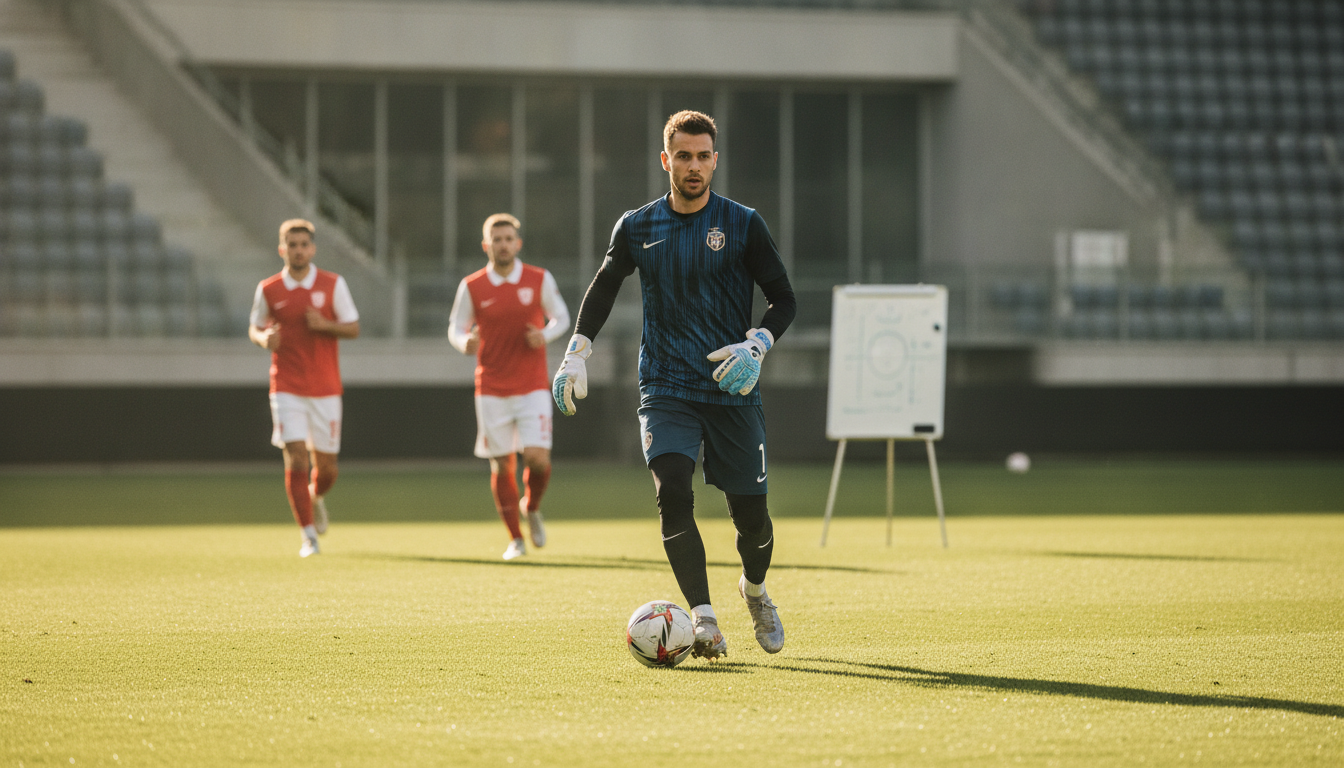
Soccer has never stood still, and neither has the role of the goalkeeper. In the past, keepers were seen mainly as shot-stoppers, guardians of the goal who relied on reflexes and bravery. Today, their responsibilities have grown far beyond simply denying goals. From the English Premier League and La Liga to Major League Soccer (MLS) and the FIFA World Cup, modern teams demand keepers who can control the game, start attacks, and act as leaders on the pitch.
The Rise of the Sweeper-Keeper
One of the biggest shifts in recent years is the rise of the sweeper-keeper. This role asks goalkeepers to be more than just defensive anchors. Players like Manuel Neuer, whose performances for Bayern Munich and Germany have inspired a generation, routinely operate high up the field. Neuer’s willingness to leave his box, intercept passes, and initiate attacks has pushed coaches everywhere to rethink what they want from a goalkeeper.
MLS teams such as LAFC and NYCFC have adopted similar tactics. Maxime Crépeau, Sean Johnson, and others are often seen outside their penalty areas, helping their back lines keep possession and compress space. This strategy lets teams maintain a higher defensive line, which disrupts opposition build-up play and makes transitions from defense to attack more efficient.
In matches where teams press high, sweeper-keepers reduce the risk of being caught out by balls played behind the defense. Their advanced positioning means defenders can focus on marking rather than covering space, giving the team more control over the game.
Distribution: Starting Attacks and Controlling Tempo
Modern goalkeepers are not just reliable shot-stoppers; they are often the first point of attack. The ability to distribute the ball quickly and accurately is now a must-have skill. Gone are the days of hopeful punts downfield. Today’s top keepers can deliver crisp short passes through pressing forwards, pick out teammates with long balls, and make smart decisions under pressure.
- Short Passing: Goalkeepers are trained to play short, controlled passes to defenders, contributing to possession-based strategies and helping their teams play out from the back.
- Long Distribution: Whether by foot or hand, keepers use precise long passes to launch counterattacks and bypass midfield congestion. This is especially important in games where quick transitions can catch opponents off guard.
- Vision and Decision-Making: Choosing when and how to release the ball is a subtle skill. The best keepers read the game, recognize pressing traps, and adapt their decision-making to the current tactical situation.
During the 2026 FIFA World Cup qualifiers, national teams like Spain and Brazil used their keepers as vital outlets for controlled build-up. By keeping the ball in play and maintaining possession, they set the rhythm and forced opponents to chase the game.
Commanding the Box: Leadership and Aerial Dominance
Shot-stopping remains essential, but the modern keeper’s ability to command the penalty area is just as important. Facing a variety of threats from set pieces and crosses, goalkeepers must dominate the air, anticipate danger, and neutralize risks before they develop.
In the Premier League, MLS, and other top competitions, keepers who aggressively claim crosses and organize defenders reduce the chance of second-ball opportunities and limit rebound goals. Their presence gives defenders confidence and allows teams to play a more proactive defensive system.
Communication is crucial. The keeper is the only player who sees the entire field, making them the natural defensive coordinator. Beyond shouting instructions, they signal pressing triggers, call out attackers, and maintain the team's structure. This vocal leadership is now a basic requirement for top-level keepers.
Shot-Stopping Meets Analytics
While traditional shot-stopping remains at the core of the position, the way it is evaluated has changed. Clubs now use advanced metrics like expected goals saved, reaction time, and post-shot expected goals to measure quality. Training facilities are equipped with VR simulations, slow-motion analysis, and data-driven drills to sharpen reflexes and decision-making.
In tournaments such as the FIFA World Cup, these marginal improvements can determine the outcome of close matches. Penalty shootouts are more scientific than ever, with keepers reviewing video on opponents’ habits and tendencies before the match. This preparation increases their chances of making decisive saves.
Youth Development and the Future
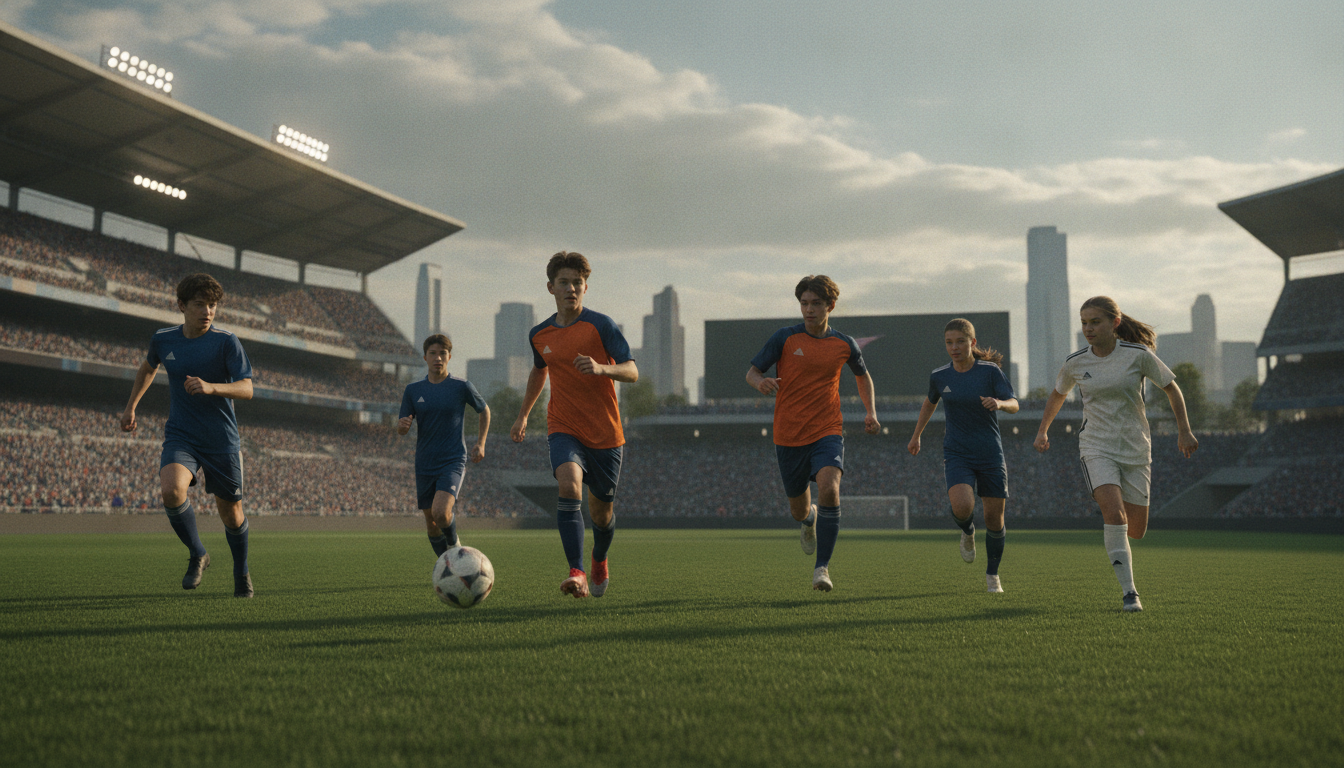
The tactical evolution of the goalkeeper role is changing the way young players are trained. In elite academies and grassroots programs, keepers are expected to develop footwork and passing skills alongside traditional shot-stopping. MLS academies and those in Europe and South America invest heavily in multi-skilled coaching, focusing on technical ability, comfort with the ball, and tactical awareness.
- Young goalkeepers routinely play outfield positions in training to improve spatial awareness and ball skills.
- Coaching staffs collaborate across positions, ensuring goalkeepers are included in tactical plans and team drills.
- Scouting now values technical and decision-making traits as much as physical attributes like height and agility.
As these trends continue, expect the next generation of goalkeepers to be even more versatile, capable of shaping games on both sides of the ball.
Goalkeepers as Game-Changers
The goalkeeper’s role in modern soccer is no longer limited to preventing goals. Their influence extends to organizing the defense, controlling the tempo, and setting attacking plays. As tactics evolve in leagues like MLS, the Premier League, and on the World Cup stage, keepers who excel in these areas will continue to change matches and drive their teams’ success.
Next time you watch a game, pay close attention to the keeper’s every move. Their impact often starts long before the ball reaches their hands and can shape the outcome in ways that go far beyond shot-stopping.