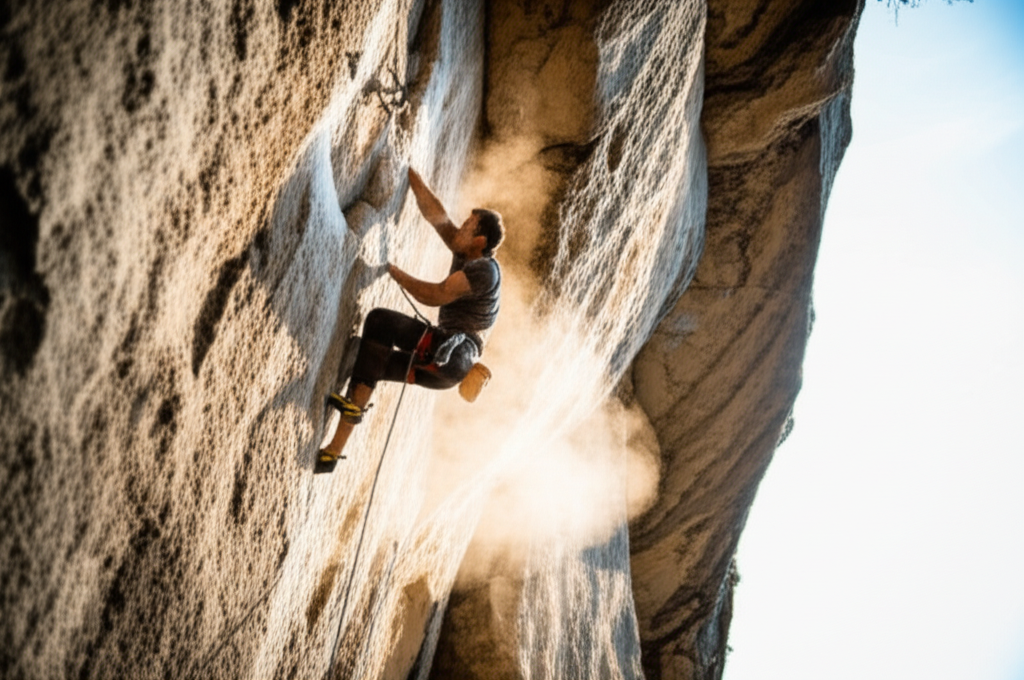
In the ever-evolving world of sports, extreme sports have emerged as a powerhouse, captivating audiences and athletes alike with their adrenaline-fueled thrills. As we step into 2026, the popularity of activities like skateboarding, rock climbing, and BMX racing is not just a fleeting trend but a transformative force influencing mainstream athletics. This article delves into how extreme sports are redefining athleticism, fostering innovation, and inspiring a new generation of fans and participants.
The Origins and Rapid Growth of Extreme Sports
Extreme sports, often characterized by high risk and intense physical demands, trace their roots back to the late 20th century. What began as niche pursuits among daredevils and outdoor enthusiasts has exploded into a global phenomenon. In the 1990s, events like the X Games brought these sports into the mainstream, showcasing talents that blended athletic prowess with creativity and bravery. Fast forward to 2026, and the landscape has shifted dramatically, with extreme sports generating billions in revenue and drawing massive viewership on digital platforms.
One key factor driving this growth is the accessibility of extreme sports. Unlike traditional team sports such as football or basketball, which require specific fields and structured teams, extreme sports can often be practiced in urban environments or natural settings with minimal equipment. This democratization has led to a surge in participation, especially among younger demographics. According to recent surveys, over 50% of millennials and Gen Z individuals in 2026 cite extreme sports as their primary form of physical activity, highlighting a shift away from conventional gym routines.
Moreover, the integration of technology has played a pivotal role. Wearable devices, virtual reality training simulations, and advanced safety gear have made extreme sports safer and more appealing. For instance, smart helmets equipped with AI can now predict potential falls in activities like snowboarding, reducing injury rates by up to 30%. This technological infusion not only enhances performance but also attracts sponsors and investors eager to tap into this vibrant market.
Influencing Mainstream Athletics Through Innovation and Mindset
The influence of extreme sports extends far beyond their own domains, seeping into mainstream athletics and reshaping how athletes train and compete. In sports like soccer, tennis, and even track and field, elements of extreme sports - such as agility drills from parkour or endurance techniques from long-distance surfing - are being incorporated into training regimens. This cross-pollination fosters a more dynamic and versatile athlete, capable of adapting to unpredictable situations.
Take, for example, the way extreme sports emphasize mental resilience. Participants in activities like base jumping or wingsuit flying must maintain composure under extreme pressure, a skill that translates directly to high-stakes competitions in other sports. Coaches in professional leagues are increasingly adopting mindfulness practices derived from extreme athletes, helping players manage stress and improve focus. By 2026, this mindset shift is evident in the rising popularity of mental health workshops at major sporting events, where athletes share strategies for overcoming fear and building confidence.
Additionally, extreme sports have revolutionized event formats and fan engagement. Interactive live streams, user-generated content, and virtual competitions have blurred the lines between spectators and participants. This has prompted traditional sports organizations to innovate, creating hybrid events that combine elements of extreme sports with classic formats. For instance, obstacle course races that mimic adventure racing are now staples in community fitness programs, bridging the gap between elite athletics and everyday recreation.
The Health and Community Benefits of Extreme Sports
Beyond the excitement, extreme sports offer significant health benefits that contribute to overall wellness. They promote cardiovascular fitness, strength, and flexibility while encouraging exploration of the natural world. A study from 2025 revealed that regular participants in extreme sports experience lower rates of obesity and improved mental health compared to non-participants, thanks to the endorphin rush and sense of achievement these activities provide.
Communities built around extreme sports are another positive aspect. Online forums, local clubs, and international gatherings foster a sense of belonging and camaraderie. In 2026, social media platforms dedicated to extreme sports have millions of users sharing tips, videos, and stories, creating a supportive network that transcends geographical boundaries. This community-driven approach not only motivates individuals to stay active but also promotes inclusivity, with initiatives aimed at underrepresented groups gaining traction.
- Enhanced physical fitness through diverse and challenging activities
- Building mental toughness and resilience
- Fostering global communities and social connections
- Encouraging environmental awareness in outdoor pursuits
- Inspiring innovation in safety and equipment design
Challenges and the Path Forward
Despite their benefits, extreme sports are not without challenges. Safety remains a primary concern, with the potential for serious injuries if proper precautions are not taken. In 2026, regulatory bodies are working to standardize safety protocols, including mandatory certification for high-risk activities. This ensures that the thrill does not come at an unacceptable cost, balancing adventure with responsibility.
Environmental impact is another issue, as many extreme sports rely on natural landscapes. With climate change affecting weather patterns and ecosystems, athletes and organizations are adopting sustainable practices, such as eco-friendly gear and conservation partnerships. The future of extreme sports lies in harmonious coexistence with the environment, promoting initiatives that protect the very terrains they celebrate.
Looking ahead, the integration of extreme sports into educational curricula and corporate wellness programs signals a broader cultural shift. Schools are incorporating elements like skateboarding into physical education to make learning more engaging, while companies use team-building activities inspired by extreme sports to boost employee morale. As we move further into 2026, this evolution promises to make athletics more accessible, exciting, and inclusive for all.
Conclusion: A New Era of Athletic Expression
The surge of extreme sports in 2026 represents a exciting chapter in the world of athletics, blending daring feats with innovative practices that inspire and unite people worldwide. By embracing the lessons from extreme sports, mainstream athletics can continue to evolve, creating a more vibrant and resilient sports culture. Whether you're an adrenaline junkie or a casual observer, the influence of these sports is undeniable, paving the way for a future where limits are meant to be challenged and surpassed.