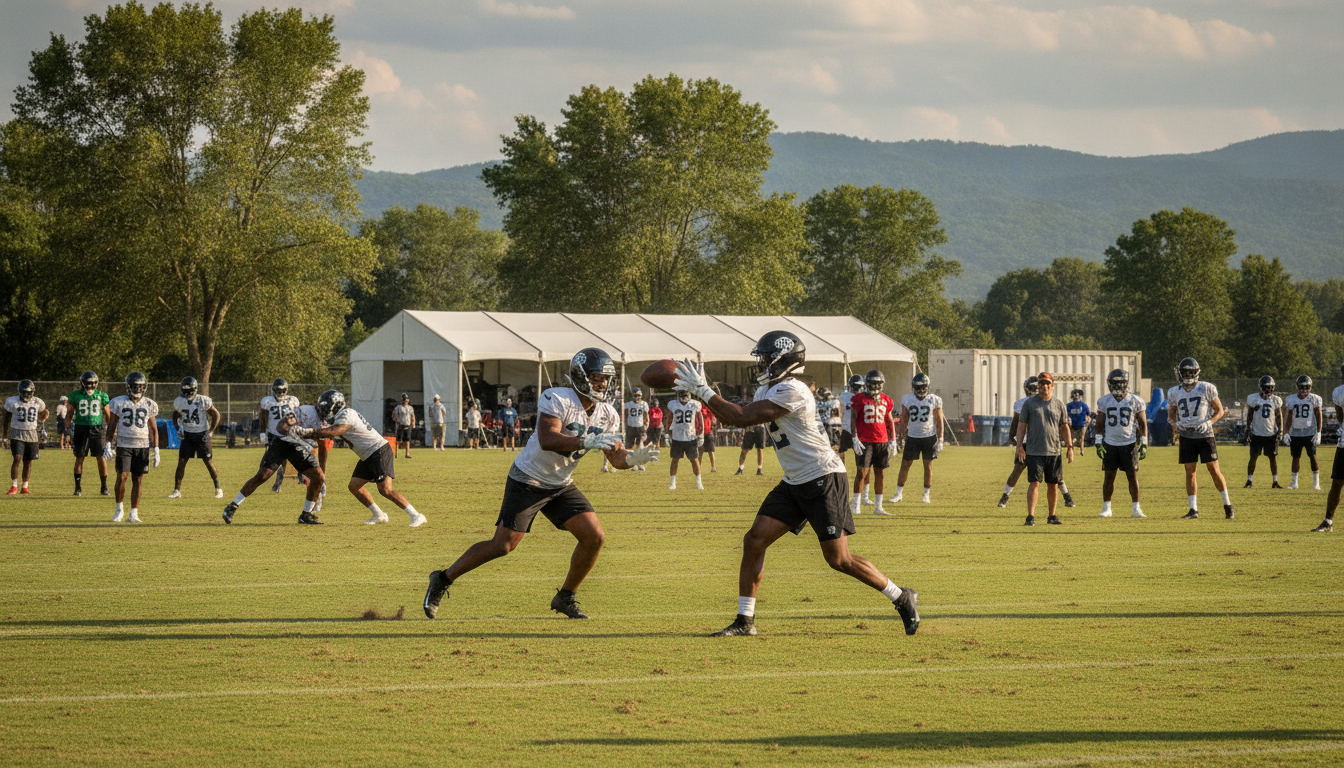
In the fast-paced world of professional sports, where stadiums roar with excitement and athletes push their limits, a quieter revolution is taking place. As we step into 2026, the NFL and NBA are leading the charge in adopting sustainable practices that not only reduce environmental impact but also inspire fans and communities worldwide. This shift towards eco-friendliness is more than a trend; it's a necessary evolution for sports leagues facing growing scrutiny over their carbon footprints. From solar-powered stadiums to waste reduction initiatives, let's explore how these iconic leagues are going green and what it means for the future of sports.
The Rise of Green Initiatives in the NFL
The National Football League (NFL), with its massive stadiums and millions of fans, has recognized the urgent need for sustainability. In recent years, the league has implemented comprehensive strategies to minimize its environmental footprint. One standout example is the widespread adoption of renewable energy sources. By 2026, several NFL teams have transitioned to using solar and wind power for their facilities. For instance, the Green Bay Packers' Lambeau Field now features a state-of-the-art solar panel array that generates enough energy to power the entire stadium during games, significantly cutting down on fossil fuel dependency.
Beyond energy, the NFL is focusing on waste management and recycling programs. Teams are partnering with local organizations to divert waste from landfills. During the 2026 season, it's estimated that over 90% of game-day waste from major stadiums is being recycled or composted. This initiative not only reduces pollution but also educates fans on sustainable living. Moreover, the league's "Go Green" campaign encourages players and coaches to advocate for environmental causes, amplifying the message through social media and public appearances.
Water conservation is another key area. With climate change leading to water scarcity in various regions, NFL teams are installing advanced irrigation systems and rainwater harvesting at training facilities. These efforts ensure that fields remain in top condition without excessive water use, setting a benchmark for other sports organizations.
NBA's Commitment to Eco-Friendly Basketball
Similarly, the National Basketball Association (NBA) has made significant strides in sustainability, aligning its operations with global environmental goals. In 2026, the NBA's Green Initiative is in full swing, emphasizing carbon neutrality across all teams. A prime example is the use of LED lighting in arenas, which reduces energy consumption by up to 75% compared to traditional systems. Teams like the Los Angeles Lakers have retrofitted the Staples Center with these efficient lights, creating a brighter, greener game environment.
The NBA is also tackling travel emissions, a major contributor to the league's carbon footprint. With the 2026 season featuring more international games, the league has invested in biofuels and electric vehicles for team travel. Additionally, partnerships with airlines are promoting carbon offset programs, where flights are balanced by investments in reforestation and renewable energy projects. This not only lowers emissions but also engages fans in offsetting their own travel-related impacts when attending games.
Fan engagement plays a crucial role in the NBA's sustainability efforts. Through interactive apps and in-arena programs, fans are encouraged to participate in recycling drives and eco-challenges. For example, the Golden State Warriors host "Green Nights" where attendees can earn rewards for bringing reusable items or participating in post-game cleanups. These initiatives foster a sense of community and responsibility, turning spectators into active environmental stewards.
The Intersection of Sustainability and Athlete Performance
Sustainable practices aren't just about the environment; they're also enhancing athlete performance and well-being. In the NFL, teams are adopting eco-friendly nutrition plans that emphasize locally sourced, organic foods to reduce the carbon footprint of meals while providing high-performance fuel. Players report better recovery and energy levels from these diets, which incorporate sustainable farming practices.
In the NBA, sustainable gear and apparel are becoming standard. Brands are producing uniforms from recycled materials, such as plastic bottles and organic cotton, without compromising quality or comfort. This shift not only appeals to environmentally conscious athletes but also resonates with fans who prioritize ethical consumption. As a result, both leagues are seeing improved brand loyalty and a positive public image.
Challenges and Opportunities Ahead
Despite these advancements, challenges remain. High costs associated with green technologies can strain team budgets, and not all regions have access to renewable energy sources. However, opportunities abound through government incentives, corporate sponsorships, and fan donations. In 2026, the NFL and NBA are collaborating on a joint sustainability fund to support smaller teams in adopting these practices.
Looking forward, the integration of smart technology is poised to revolutionize sustainability in sports. IoT devices in stadiums can monitor energy use in real-time, optimizing consumption and reducing waste. Both leagues are exploring blockchain for transparent supply chains, ensuring that all materials used in operations are ethically sourced.
The Global Impact of Sports Sustainability
The efforts of the NFL and NBA extend beyond their borders, influencing global sports culture. By 2026, these leagues are partnering with international organizations to promote sustainability in youth sports programs. For instance, NFL-funded projects in developing countries are building eco-friendly fields and providing education on environmental stewardship, empowering the next generation of athletes.
In the NBA, global outreach includes sustainability workshops during international tours, where players share their experiences and encourage local communities to adopt green practices. This ripple effect is creating a worldwide movement, proving that sports can be a powerful force for environmental change.
Conclusion: A Greener Future for Sports
As we reflect on the sustainable innovations in the NFL and NBA in 2026, it's clear that these leagues are not just playing games - they're playing for the planet. By embracing eco-friendly practices, they're setting an example for other industries and inspiring millions to take action. The journey towards sustainability is ongoing, but with continued commitment, the future of sports looks brighter and greener than ever. Fans, athletes, and organizations alike must continue to champion these efforts to ensure a healthy planet for generations to come.
- Key benefits of NFL sustainability: Reduced energy costs, enhanced fan engagement, and environmental education.
- NBA innovations: LED lighting, biofuels, and community programs.
- Future trends: Smart technology and global partnerships.