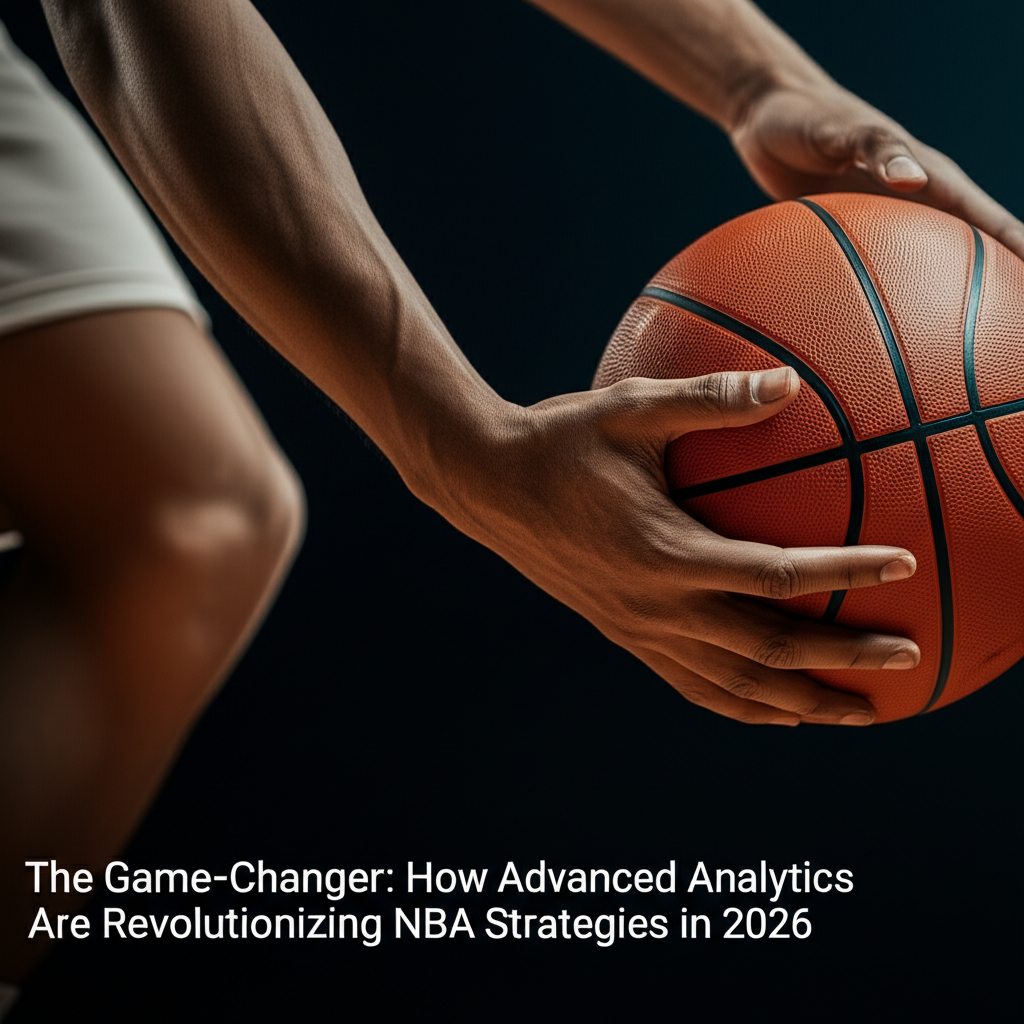
In the fast-paced world of professional basketball, the NBA has always been at the forefront of innovation. As we step into 2026, advanced analytics have emerged as a true game-changer, transforming how teams scout talent, devise plays, and make in-game decisions. This article dives deep into the evolution of data-driven strategies, exploring how they're reshaping the league and giving teams a competitive edge.
The Rise of Analytics in the NBA
Over the past decade, the NBA has seen a seismic shift from gut-feeling decisions to data-backed strategies. It all started with pioneers like the Houston Rockets in the 2010s, but by 2026, every team is leveraging sophisticated analytics tools. These systems analyze vast amounts of data, from player movements to shot probabilities, allowing coaches to optimize lineups and predict outcomes with unprecedented accuracy.
One key driver of this change is the explosion of wearable technology and tracking devices. Players now wear sensors during games and practices, providing real-time data on speed, fatigue, and even biometric metrics. This has led to a more scientific approach to player management, reducing injuries and enhancing performance. According to recent reports, teams using advanced analytics have seen a 15-20% improvement in win rates over the last five years.
Key Technologies and Tools Driving the Revolution
At the heart of this analytics boom are cutting-edge technologies that make complex data accessible and actionable. Machine learning algorithms, powered by AI, can now process millions of data points in seconds, offering insights that were once impossible. For instance, tools like NBA's own Second Spectrum system use computer vision to track every player's position on the court, generating heat maps and predictive models for shot success.
Other innovations include advanced statistical models such as expected value calculations for plays and player efficiency ratings that go beyond traditional stats. Teams are also integrating big data from external sources, like social media sentiment analysis, to gauge fan reactions and adjust marketing strategies. A
- Breakdown of popular tools includes:
- Player tracking software for real-time performance metrics.
- Predictive analytics platforms that forecast game outcomes based on historical data.
- Custom AI models for personalized training regimens.
Case Studies: Teams Leading the Analytics Charge
To understand the real impact, let's look at a few teams that have fully embraced analytics in 2026. The Golden State Warriors, known for their dynasty in the 2010s, have continued to dominate by refining their analytics approach. They've developed proprietary models that analyze defensive rotations, leading to a league-high defensive efficiency rating this season.
Meanwhile, emerging teams like the Memphis Grizzlies have used analytics to punch above their weight. By focusing on data-driven draft picks and trade evaluations, they've built a roster that's optimized for three-point shooting and fast breaks. A
- Key example from the Grizzlies includes:
- Using shot probability models to increase their three-point attempt rate by 25%.
- Implementing fatigue analytics to rotate players more effectively, reducing injury rates.
- Leveraging opponent scouting reports generated by AI to exploit weaknesses.
Impact on Player Performance and Coaching Decisions
Advanced analytics aren't just for front offices; they're directly influencing how players perform and how coaches call the shots. Players are now receiving personalized feedback through apps that analyze their gameplay, helping them improve specific skills like shooting form or defensive positioning. For example, a player might use VR simulations based on analytic data to practice high-pressure scenarios.
Coaches, too, are benefiting from dashboards that provide instant insights during games. In 2026, it's common to see coaches making substitutions based on real-time fatigue scores or adjusting plays mid-game using predictive models. This has led to a more dynamic style of play, with teams emphasizing efficiency over raw athleticism. However, this shift raises questions about the human element in sports, as some argue that over-reliance on data could stifle creativity. A
- Potential benefits include:
- Enhanced player development through data-driven training.
- More informed coaching decisions that minimize risks.
- Greater fan engagement via broadcast analytics overlays.
Future Trends and Challenges for 2026 and Beyond
As we look ahead in 2026, the integration of analytics in the NBA is only set to deepen. Emerging trends include the use of quantum computing for faster data processing and the incorporation of blockchain for secure data sharing among teams. Additionally, with the rise of fan-generated data from apps and wearables, analytics could extend to personalized fan experiences, like customized viewing angles or predictive betting insights.
Yet, challenges remain. Privacy concerns around player data, the potential for algorithmic bias in decision-making, and the need for widespread education on analytics are pressing issues. The NBA is addressing these through new regulations and partnerships with tech firms. A
- Upcoming trends to watch include:
- The fusion of analytics with virtual reality for training.
- Increased collaboration between teams and AI startups.
- A focus on ethical AI to ensure fair play.
Conclusion: Embracing the Analytics Era
In conclusion, advanced analytics have firmly established themselves as a cornerstone of NBA strategies in 2026, driving smarter decisions, better performances, and more engaging games. As teams continue to adopt these tools, the league will likely see even greater levels of competition and innovation. Whether you're a die-hard fan or a casual observer, understanding analytics adds a new layer of appreciation to the game, proving that in basketball, data is the new MVP.