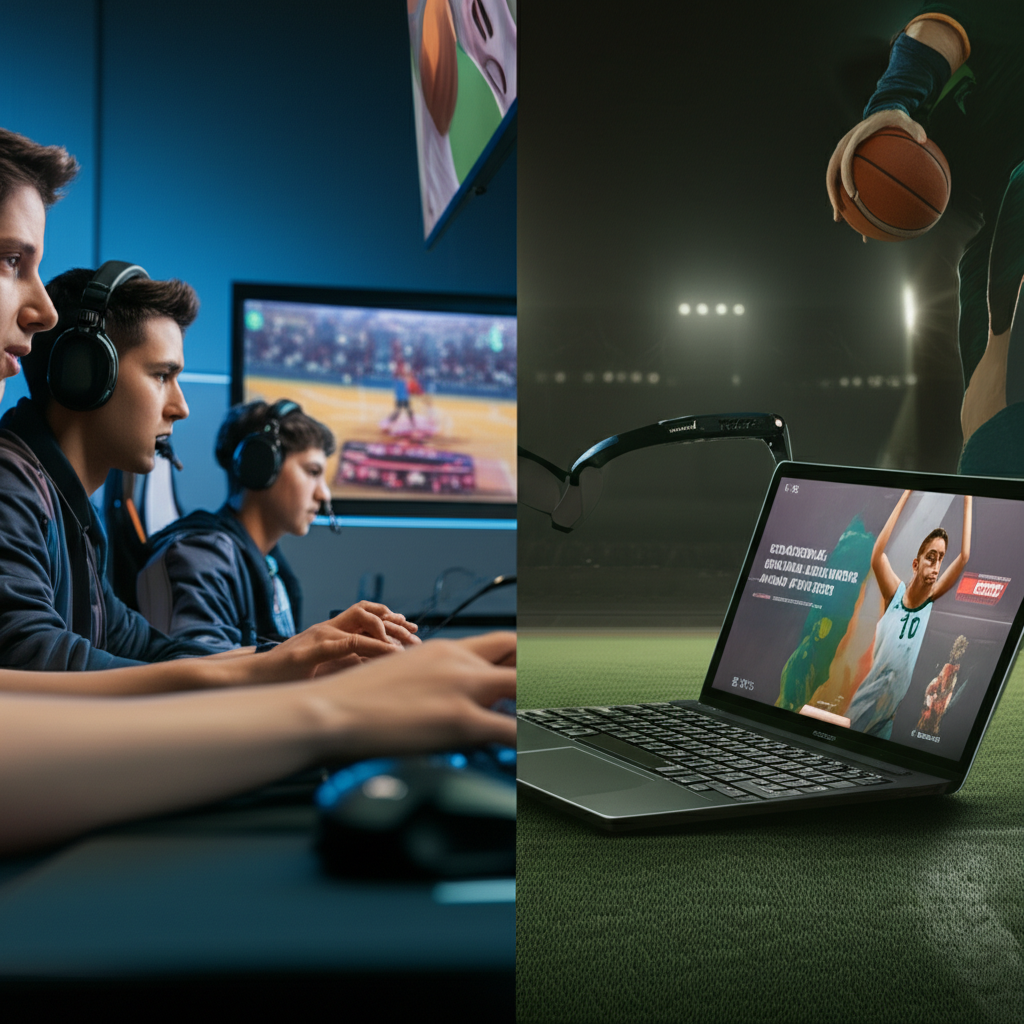
In the ever-evolving world of sports, the boundary between digital and physical realms is blurring more than ever. As we step into 2026, esports has emerged as a formidable force, influencing how traditional sports like those in the NFL and NBA operate. This article explores the innovative ways esports is enhancing fan engagement, athlete training, and overall industry dynamics, without delving into specific events or trades.
The Rise of Esports: A Brief Overview
Esports, or electronic sports, has grown from niche gaming tournaments to a global phenomenon worth billions. Originating in the late 20th century with games like Pong and evolving into massive events with millions of viewers, esports now boasts professional leagues, sponsorships, and even dedicated arenas. By 2026, the industry is projected to surpass traditional sports in viewership for certain demographics, particularly among younger audiences.
What makes esports so compelling is its accessibility. Unlike physical sports that require specific venues and equipment, esports can be played and watched from anywhere with an internet connection. This democratization has attracted a diverse fanbase, including those who might not traditionally follow the NFL or NBA.
Influencing Athlete Training and Performance
One of the most significant impacts of esports on traditional sports is in athlete training. In the NFL, for instance, teams are incorporating virtual reality (VR) simulations inspired by esports to enhance player skills. Quarterbacks can practice reads and throws in hyper-realistic digital environments, reducing the risk of injury during off-season training.
- VR and AR Integration: Esports technology like VR headsets allows athletes to simulate game scenarios repeatedly, improving decision-making and reaction times. This is akin to how professional gamers train for hours in controlled settings.
- Data Analytics: Drawing from esports' emphasis on metrics, NFL coaches use advanced analytics to track player movements and predict outcomes, much like in-game stats in esports.
- Mental Conditioning: Esports pros are masters of mental resilience, and this is rubbing off on NBA players who use mindfulness apps and cognitive training tools derived from gaming strategies to stay focused during high-pressure games.
In the NBA, players are adopting esports-inspired drills to improve hand-eye coordination and strategic thinking. For example, basketball drills now include interactive gaming elements where players respond to on-screen prompts, blending physical exertion with digital challenges.
Enhancing Fan Engagement and Community Building
Esports has set a new standard for fan interaction, and traditional sports are taking notes. In 2026, NFL and NBA teams are leveraging platforms like Twitch and YouTube to stream live events, behind-the-scenes content, and interactive sessions, fostering a sense of community that extends beyond the stadium.
Imagine an NFL game where fans can participate in real-time polls or virtual challenges that influence in-game elements, such as choosing the next play in a practice match. This level of interactivity, borrowed from esports tournaments, keeps fans hooked and creates a more immersive experience.
- Virtual Watch Parties: NBA teams are hosting global virtual watch parties, where fans from different countries can join esports-style lobbies to discuss games, share predictions, and even win prizes.
- Merchandise and Collaborations: Crossovers between esports brands and traditional sports have led to unique merchandise, like NBA jerseys with esports-inspired designs, appealing to a broader audience.
- Educational Content: Teams are producing esports-like tutorials and strategy videos, helping fans understand the intricacies of the game, much like how gamers break down matches online.
This fusion not only boosts attendance and viewership but also builds loyalty among younger fans who grew up with video games. According to industry reports, fan retention rates have increased by 20% in leagues that adopt these strategies.
Economic and Cultural Shifts in the Sports Industry
The economic implications of esports' influence are profound. In 2026, sponsorship deals blending esports and traditional sports are on the rise, with companies investing in both arenas to reach wider demographics. For the NFL and NBA, this means diversified revenue streams from digital partnerships, in-game advertising, and even NFT-based memorabilia.
Culturally, esports is promoting inclusivity. It's breaking down barriers for underrepresented groups in sports, such as women and people with disabilities, who find more opportunities in digital formats. This is inspiring the NFL and NBA to launch inclusive programs, like adaptive sports leagues that use esports technology to accommodate all abilities.
Moreover, the global reach of esports is helping traditional sports expand internationally. While the NFL and NBA have always had international appeal, esports' online nature accelerates this by connecting fans in regions like Asia and Europe more directly.
Challenges and Ethical Considerations
Despite the benefits, integrating esports into traditional sports isn't without challenges. Issues like screen time addiction, which is prevalent in esports, raise concerns about player health in the NFL and NBA. Leagues are responding with guidelines on balanced training and mandatory breaks to prevent burnout.
- Regulatory Needs: Governing bodies must establish standards for digital integration to ensure fair play and prevent cheating through technology.
- Skill Gaps: Not all athletes adapt equally to digital tools, leading to a need for specialized training programs.
- Intellectual Property: Protecting content from piracy, as seen in esports, is crucial for maintaining revenue in traditional sports broadcasts.
Ethically, there's a push for transparency in how data is used, ensuring that player privacy is respected in this data-driven era.
The Future Outlook for 2026 and Beyond
Looking ahead, the synergy between esports and traditional sports is poised to create a more dynamic and inclusive industry. By 2026, we might see hybrid events where NFL or NBA stars compete alongside esports athletes in mixed-reality games, blurring the lines even further.
This evolution promises to make sports more accessible, engaging, and innovative. As fans, players, and stakeholders embrace these changes, the sports world will continue to thrive in an increasingly digital landscape.
In conclusion, esports is not just a trend; it's a transformative force reshaping how we experience sports. From enhancing training regimens to revolutionizing fan interactions, its influence on the NFL and NBA exemplifies the power of innovation in the face of change.