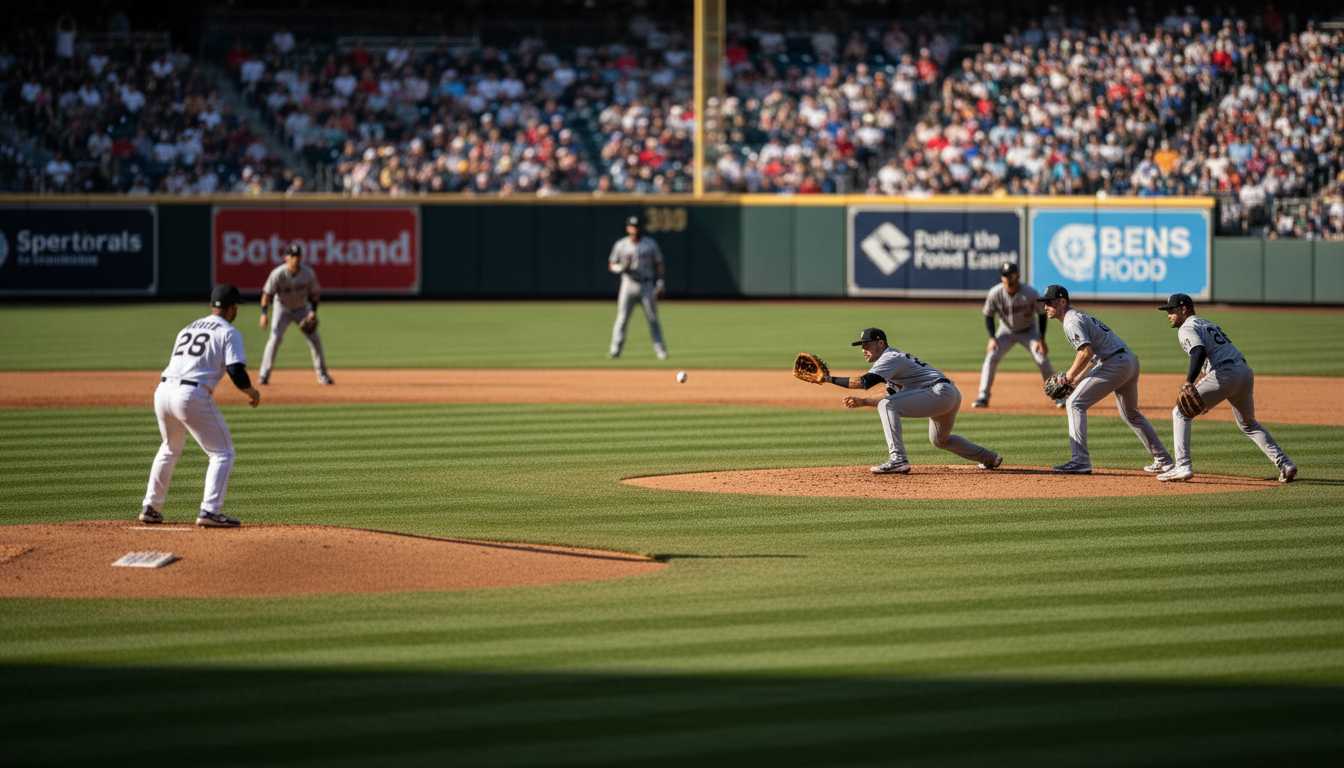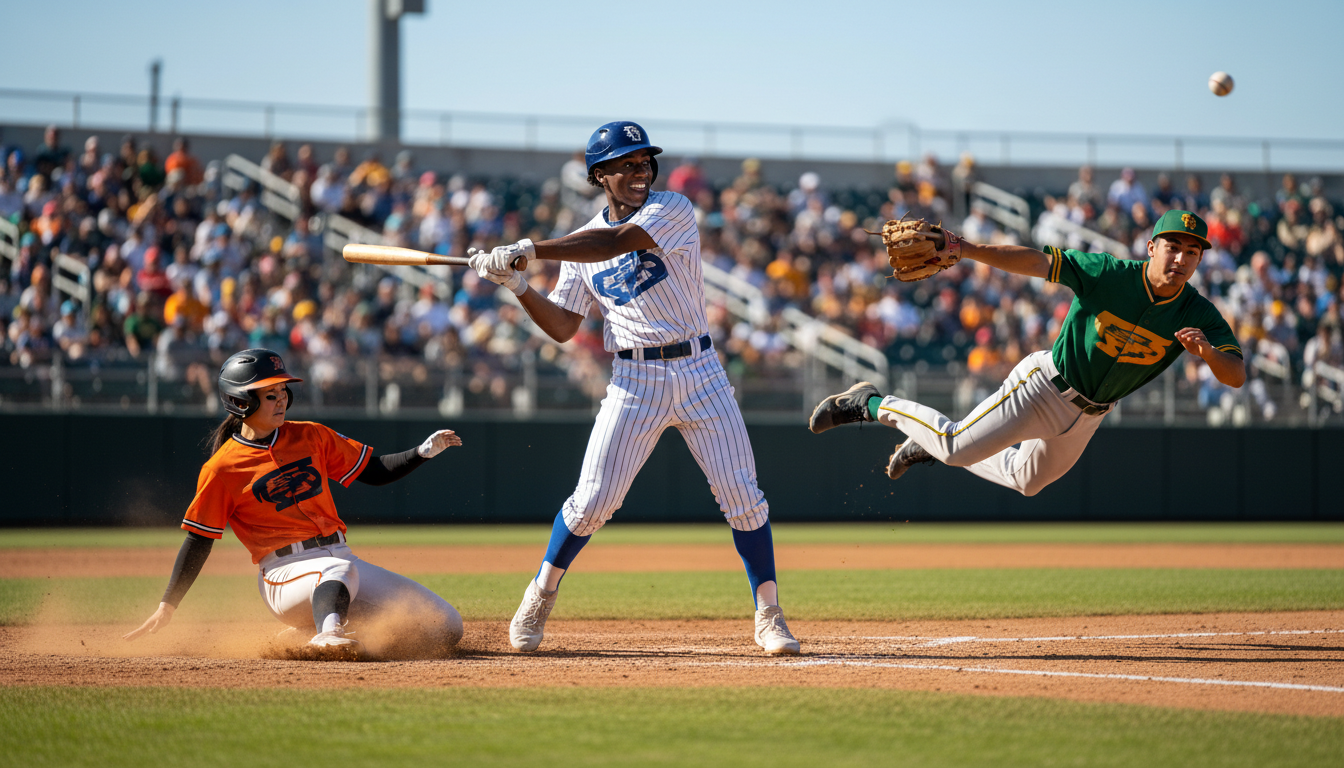
In the fast-paced world of Major League Baseball, where power hitting and home runs often steal the spotlight, the art of the stolen base is making a remarkable comeback in 2026. As teams adapt to recent rule changes and embrace a more aggressive style of play, stolen bases are no longer just a relic of the game’s past. This resurgence is injecting new excitement into games and forcing managers to rethink their strategies early in the season. With May 2026 in full swing, let’s dive into how speed is reshaping MLB.
The Historical Context of Stolen Bases
Stolen bases have been a part of baseball since its inception, with legends like Lou Brock and Rickey Henderson turning base stealing into an art form. In the early 20th century, players like Ty Cobb dominated with their speed, but over the decades, the emphasis shifted toward power hitting, especially with the steroid era in the 1990s and 2000s. By the 2010s, stolen base attempts had dwindled, as teams prioritized slugging over speed to chase high-scoring games.
However, MLB’s recent rule adjustments, implemented in the last few years, have flipped the script. Larger bases, a pitch clock, and limits on defensive shifts have made it easier for runners to take extra bases. These changes, aimed at speeding up the game and increasing action, have led to a noticeable uptick in stolen base attempts in the 2026 season. According to early stats, teams are on pace to see stolen bases per game rise by nearly 20% compared to 2025.
Key Rule Changes Driving the Trend
The introduction of the pitch clock in 2023 was a game-changer, forcing pitchers to work faster and giving base runners less time to hesitate. Combined with the larger bases - now 18 inches square instead of 15 - this has reduced the risk for runners attempting steals. In 2026, we’re seeing pitchers struggle to hold runners, with success rates on stolen bases climbing to historic levels.
- Larger Bases: The extra three inches provide more space for runners to dive safely, cutting down on close plays and encouraging more aggressive base running.
- Pitch Clock: With pitchers required to deliver the ball within 18 seconds with runners on base, base stealers have a predictable window to exploit.
- Shift Restrictions: By limiting how defenses can position infielders, teams are forced to play more traditionally, opening up gaps for speedy players to exploit.
These modifications have not only made games more dynamic but have also highlighted the value of speed in a league increasingly dominated by analytics. Teams like the Houston Astros and Los Angeles Dodgers, known for their data-driven approaches, are now incorporating stolen base strategies into their playbooks more than ever.
Spotlighting the Speed Demons of 2026
In the early months of the 2026 season, several players have emerged as leaders in this stolen base revival. Take, for instance, Elly De La Cruz of the Cincinnati Reds, who has already swiped 15 bases in his first 30 games, a pace that could see him challenge Henderson’s single-season record. De La Cruz’s blend of raw speed and baseball IQ has turned routine singles into extra-base hits, frustrating opposing defenses.
Another standout is Bobby Witt Jr. of the Kansas City Royals, who has used his elite athleticism to steal 12 bases while maintaining a.300 batting average. Witt’s success exemplifies how stolen bases can complement a well-rounded game, putting pressure on pitchers and creating scoring opportunities. On the National League side, Corbin Carroll of the Arizona Diamondbacks has been a force, with his 14 steals helping propel his team to an early divisional lead.
- Elly De La Cruz (Cincinnati Reds): Leading the league with his explosive speed and high success rate.
- Bobby Witt Jr. (Kansas City Royals): Combining power and speed for a dynamic offensive threat.
- Corbin Carroll (Arizona Diamondbacks): Turning games into track meets with his base-running prowess.
- Other notables: Players like Jazz Chisholm Jr. of the Miami Marlins and Jackson Chourio of the Milwaukee Brewers are also making impacts with double-digit steals early in the year.
These players aren’t just accumulating stats; they’re influencing how games are played. Opposing teams are now dedicating more resources to holding runners, which in turn opens up opportunities for hitters elsewhere on the field.
The Strategic Shift in Team Playbooks
As stolen bases make a comeback, teams are adapting their strategies accordingly. Managers are emphasizing base-running drills in spring training and integrating speed into their overall game plans. For example, the Tampa Bay Rays, always innovators, have built their lineup around a mix of contact hitters and burners, leading to a league-high stolen base total in May 2026.
This shift is also affecting pitching and defense. Pitchers are working on quicker deliveries and pickoff moves, while catchers are focusing on improving their arm strength and accuracy. The result is a more balanced game, where speed counters the home run-heavy style that has defined recent eras. Analytics teams are now valuing speed metrics like sprint speed and jump times more heavily in player evaluations, potentially altering how prospects are drafted and developed.
The Fan Appeal and Future Implications
For fans, the resurgence of stolen bases means more edge-of-your-seat moments. There’s something thrilling about a player taking off for second base, turning a mundane at-bat into a high-stakes gamble. Attendance figures in May 2026 show a slight uptick, possibly linked to this increased action, as stadiums buzz with anticipation during close games.
Looking ahead, this trend could redefine player development in MLB. Teams might prioritize athletes with elite speed in their farm systems, and we could see a new generation of stars who excel in multiple facets of the game. As the season progresses, it will be fascinating to see if stolen bases continue to rise or if pitchers adapt to neutralize the threat.
In conclusion, the stolen base is back with a vengeance in MLB 2026, thanks to smart rule changes and innovative strategies. This evolution not only honors the game’s rich history but also ensures baseball remains an exciting spectacle for years to come.