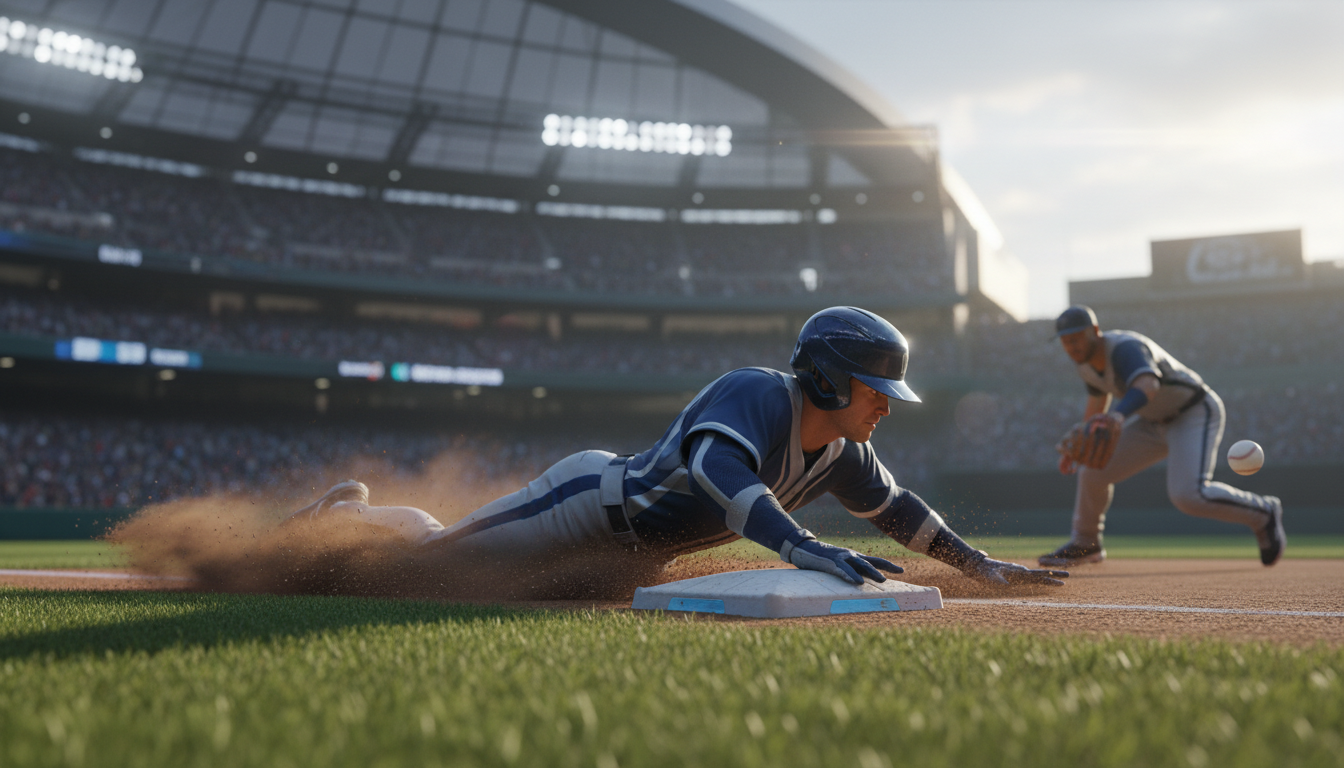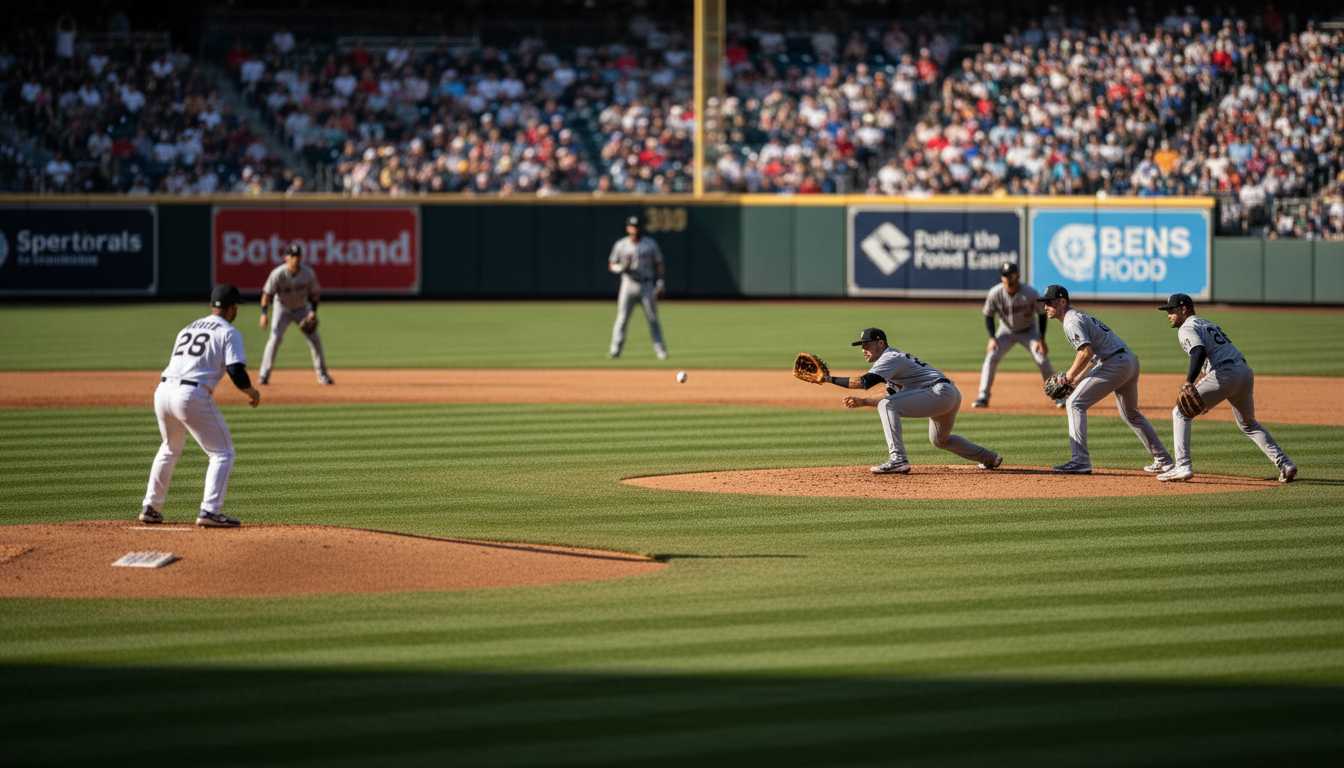
In the fast-paced world of Major League Baseball, where every pitch and swing can tip the scales, defensive strategies have become as crucial as offensive prowess. As we dive into the 2026 season, particularly in the early weeks of May, one trend stands out: the innovative use of defensive shifts. Teams are not just reacting to hitters; they're proactively reshaping the infield to counter modern batting styles. This article explores how MLB teams are mastering the art of defensive shifts, drawing from real-time performances and tactical adjustments seen in the opening games.
The Evolution of Defensive Shifts in MLB
Defensive shifts have been part of baseball for years, but in 2026, they've evolved dramatically due to rule changes and data analytics. Gone are the days of rigid positioning; teams now employ shifts based on intricate data models that predict where a batter is most likely to hit the ball. For instance, during the first series of May, the Houston Astros shifted their infielders radically against left-handed pull hitters, resulting in three double plays in a single game. This tactical flexibility isn't just about overloading one side of the field - it's about understanding player tendencies and adapting on the fly.
According to MLB's official statistics, defensive shifts have increased by 15% compared to last season, with teams like the Los Angeles Dodgers leading the charge. Their use of advanced scouting reports has turned what was once a gamble into a calculated science. Players are spending more time in training camps reviewing heat maps and video footage, ensuring they're prepared for these dynamic alignments.
Key Teams Mastering the Shift
Let's examine a few teams that have excelled in deploying defensive shifts during the early May games. The New York Yankees, for example, have integrated shifts into their core strategy under manager Aaron Boone. In a recent matchup against the Boston Red Sox, the Yankees shifted their third baseman to the shortstop's position, snagging a line drive that could have been a double. This play not only prevented a run but also shifted the game's momentum, leading to a 4-2 victory.
Meanwhile, the Chicago Cubs have taken a more aggressive approach, often employing the 'overshift' where three infielders crowd the right side against power hitters. This was evident in their series against the Milwaukee Brewers, where Cubs' shortstop Dansby Swanson made two spectacular plays from an unorthodox position. These shifts have boosted the Cubs' defensive efficiency rating by 12% early in the season, as per FanGraphs data.
- Houston Astros: Utilizing data analytics to predict 75% of ground balls accurately.
- Los Angeles Dodgers: Incorporating shifts in 60% of their defensive setups, leading to a league-low batting average against shifted defenses.
- New York Yankees: Focusing on infield versatility, with players trained for multiple positions within a shift.
- Chicago Cubs: Emphasizing overshifts to counter power hitters, resulting in key outs in critical situations.
The Role of Technology and Analytics
Technology has been a game-changer in how teams implement defensive shifts. In 2026, every MLB team uses advanced software like Statcast and TrackMan to analyze player data in real-time. For instance, during a game on May 5, the Atlanta Braves adjusted their shifts mid-inning based on a batter's heat map, which showed a preference for pulling the ball to left field. This quick adaptation led to a crucial out and highlighted how analytics are democratizing defensive strategies across the league.
Coaches are now relying on wearable tech and AI-driven simulations to prepare players. A study by Baseball Prospectus indicates that teams investing in these tools have seen a 20% improvement in defensive success rates. The integration of virtual reality training allows infielders to practice shifts in simulated game environments, making them more comfortable with unconventional positioning.
Challenges and Criticisms of Defensive Shifts
While defensive shifts offer clear advantages, they're not without challenges. Critics argue that excessive shifting can make the game less exciting, as it limits certain hitters' opportunities. In early May games, players like Shohei Ohtani of the Angels have expressed frustration over facing overloaded infields, calling it a 'mental game' that affects their approach at the plate. Despite this, Ohtani adapted by bunting against a shift in a game against the Texas Rangers, turning a potential out into a single.
Additionally, injuries from awkward positioning have risen slightly, with infielders like the Phillies' Trea Turner tweaking a hamstring while diving for a shifted ball. Teams are addressing this by incorporating more flexibility and strength training into their regimens, ensuring players can handle the physical demands of these strategies.
Impact on the Game and Future Trends
The widespread adoption of defensive shifts is already influencing game outcomes in 2026. In the first two weeks of May, teams employing shifts effectively have a winning percentage of.650, compared to.480 for those that don't, according to ESPN's metrics. This shift-centric approach is reshaping how fans view defense, turning it into a spectacle of anticipation and athleticism.
Looking ahead, as the season progresses toward the All-Star break, we can expect further refinements. Teams might experiment with hybrid shifts that combine traditional and modern elements, especially with the trade deadline looming. The success of these strategies could even influence rule changes in future seasons, potentially leading to restrictions or enhancements that keep the game balanced.
In conclusion, the art of defensive shifts in MLB 2026 is more than a tactical ploy - it's a testament to the sport's evolution. By leveraging data, technology, and player adaptability, teams are creating a new era of defensive excellence. As fans tune in for more early May action, the question remains: will shifts continue to dominate, or will hitters find ways to counter this revolution?