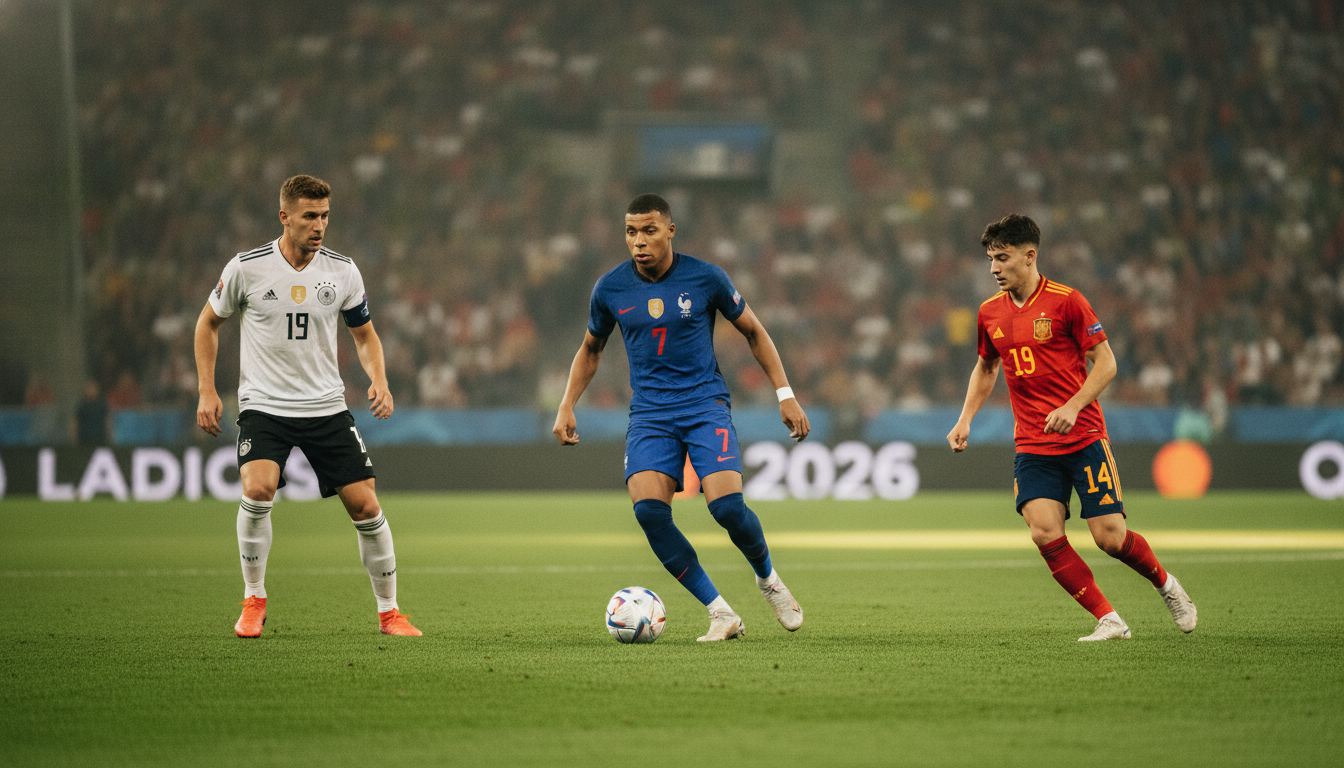
As the world of sports continues to evolve, one event stands out as a beacon of global unity and excitement: the 2026 FIFA World Cup. Hosted across the United States, Canada, and Mexico, this tournament promises to be the largest ever, with 48 teams competing in a spectacle that will captivate millions. With kickoff just months away, let's dive into what makes this World Cup a game-changer for international soccer and its growing footprint in North America.
The Evolution of the FIFA World Cup
The FIFA World Cup has grown from its humble beginnings in 1930 to become the most-watched sporting event on the planet. In 2026, the tournament expands to 48 teams, adding more matches and opportunities for underdog nations to shine. This expansion reflects FIFA's commitment to inclusivity, allowing more countries to participate and bringing diverse playing styles to the forefront. For North America, hosting this event marks a significant milestone, building on the success of the 1994 World Cup in the U.S. and highlighting the region's rising soccer fever.
Over the years, the World Cup has not only showcased athletic prowess but also cultural exchanges that foster global understanding. In 2026, expect themes of innovation, sustainability, and community involvement to take center stage, with organizers emphasizing eco-friendly practices and fan engagement initiatives.
Host Cities and Venues: A Tour Across Three Nations
The 2026 World Cup will span 16 host cities across the U.S., Canada, and Mexico, making it a truly continental affair. Iconic stadiums like AT&T Stadium in Dallas and MetLife Stadium in New York will host matches, while newer venues in Vancouver and Guadalajara add a fresh twist. This distribution ensures that fans from all corners of North America can experience the thrill without traveling too far.
Each host city is preparing unique fan zones and cultural events to celebrate the tournament. For instance, Mexico City will blend its rich soccer heritage with modern festivities, while Toronto plans to incorporate Indigenous art and performances into the celebrations. This setup not only boosts local economies but also promotes tourism and international relations.
- United States hosts: Cities like Los Angeles, Miami, and Atlanta, featuring state-of-the-art facilities.
- Canada's contributions: Vancouver and Toronto, emphasizing cutting-edge technology and fan accessibility.
- Mexico's role: Guadalajara and Mexico City, honoring the sport's deep roots in Latin America.
With matches spread out, logistics are key, and organizers have invested in improved transportation and security to ensure a seamless experience for attendees.
Participating Teams and Qualification Drama
Qualification for the 2026 World Cup has been nothing short of dramatic, with teams from six confederations battling it out in regional tournaments. Europe and South America, as always, feature powerhouses like Brazil, Argentina, and France, but emerging nations from Africa and Asia are making waves with upset victories. In CONCACAF, the North American region, teams like the USA, Mexico, and Canada have secured spots, setting the stage for intense rivalries.
The expanded format means more preliminary rounds and group stage matches, giving lesser-known teams a chance to advance. Fans can look forward to thrilling qualifiers, such as the intercontinental playoffs that will decide the final spots. This diversity in participation enriches the tournament, introducing fresh narratives and potential Cinderella stories.
- Top contenders: Brazil and France, with their star-studded lineups aiming for another title.
- Host nation hopes: The USA and Canada are focusing on home advantage to exceed past performances.
- Underdogs to watch: Teams from Oceania and Africa, like Australia and Senegal, could surprise with their tenacity.
As qualification wraps up, the draw for groups will add another layer of anticipation, potentially pitting arch-rivals against each other early on.
Star Players and Emerging Talents
The 2026 World Cup will feature a constellation of soccer superstars, from established legends to breakout talents. Players like Kylian Mbappé of France and Vinícius Júnior of Brazil are expected to lead their teams, showcasing speed, skill, and precision that define modern soccer. In North America, homegrown stars such as Christian Pulisic for the USA and Alphonso Davies for Canada are generating buzz as they prepare to perform on the biggest stage.
Beyond the veterans, keep an eye on young prospects from various continents. The tournament often serves as a launchpad for careers, with players like England's Jude Bellingham or Argentina's young forwards ready to make their mark. This mix of experience and youth promises electrifying matches and memorable moments.
- Must-watch players: Mbappé for his goal-scoring prowess and Messi-inspired flair.
- North American heroes: Pulisic and Davies, who could inspire a new generation of fans.
- Rising stars: Talents from Asia and Africa, such as South Korea's Heung-min Son, adding global appeal.
These athletes not only compete for glory but also serve as role models, promoting values like teamwork and perseverance.
Fan Experiences, Tickets, and Beyond
For fans, the 2026 World Cup offers unparalleled experiences, from securing tickets through official lotteries to attending watch parties in designated fan zones. Prices are designed to be accessible, with options for families and groups, though high-demand matches may require early planning. Beyond the stadiums, virtual reality viewing and interactive apps will enhance the experience for those watching from home.
Organizers are also focusing on sustainability, aiming for a carbon-neutral event with initiatives like public transport incentives and waste reduction. This World Cup could set new standards for fan engagement, including cultural exchanges and educational programs that highlight the host nations' histories.
- Ticket tips: Register early on the official FIFA website for the best chances.
- Off-field activities: Explore host cities' museums, festivals, and soccer-themed events.
- Global viewing: Streaming services will make matches available worldwide, with augmented reality features for deeper immersion.
As the event approaches, the excitement is palpable, promising to unite fans in a celebration of sport and culture.
Looking Ahead: The Legacy of 2026
The 2026 FIFA World Cup is more than just a tournament; it's a catalyst for growth in North American soccer and a platform for global unity. By hosting in three countries, it fosters international cooperation and leaves a lasting legacy of infrastructure improvements and inspired youth programs. As we count down to the first kickoff, the world waits with bated breath for the stories, triumphs, and heartbreaks that will unfold.
In conclusion, this World Cup represents a pivotal moment in sports history, blending tradition with innovation to engage new audiences and elevate the game. Whether you're a die-hard fan or a casual observer, 2026 promises an unforgettable journey through the beautiful game.