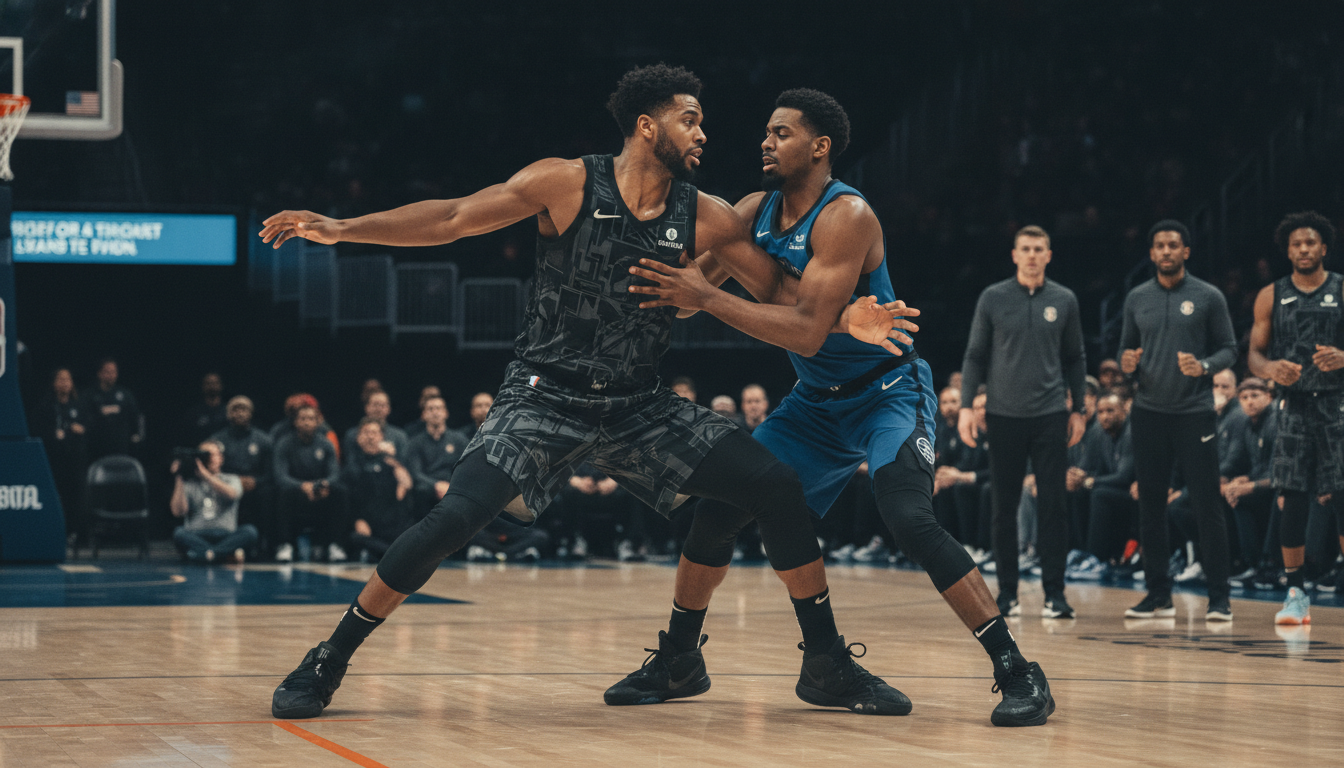
The 2026 NBA season is marking a dramatic shift in team-building strategies. For years, offensive firepower dominated headlines and shaped roster moves, but now the trend is swinging back toward defense. Across the league, general managers and coaches are investing heavily in defensive specialists, recognizing their ability to disrupt high-powered offenses and alter the outcome of games.
Why Defensive Stoppers Are in High Demand
NBA offenses are operating at historic efficiency levels, driven by analytics, advanced player development, and the three-point revolution. In response, teams are searching for any edge that can tip the balance during tightly contested playoff battles. The numbers are clear: over the past five years, almost every NBA champion has ranked in the top ten for defensive rating.
Front offices are now targeting draft prospects and free agents whose primary calling card is defense. Instead of focusing solely on scoring wings or versatile forwards, teams are looking for athletes with physical tools and basketball IQ to slow down elite offenses. This shift is visible in recent trades, draft picks, and rotations across the league.
The Evolution of the Modern Defensive Specialist
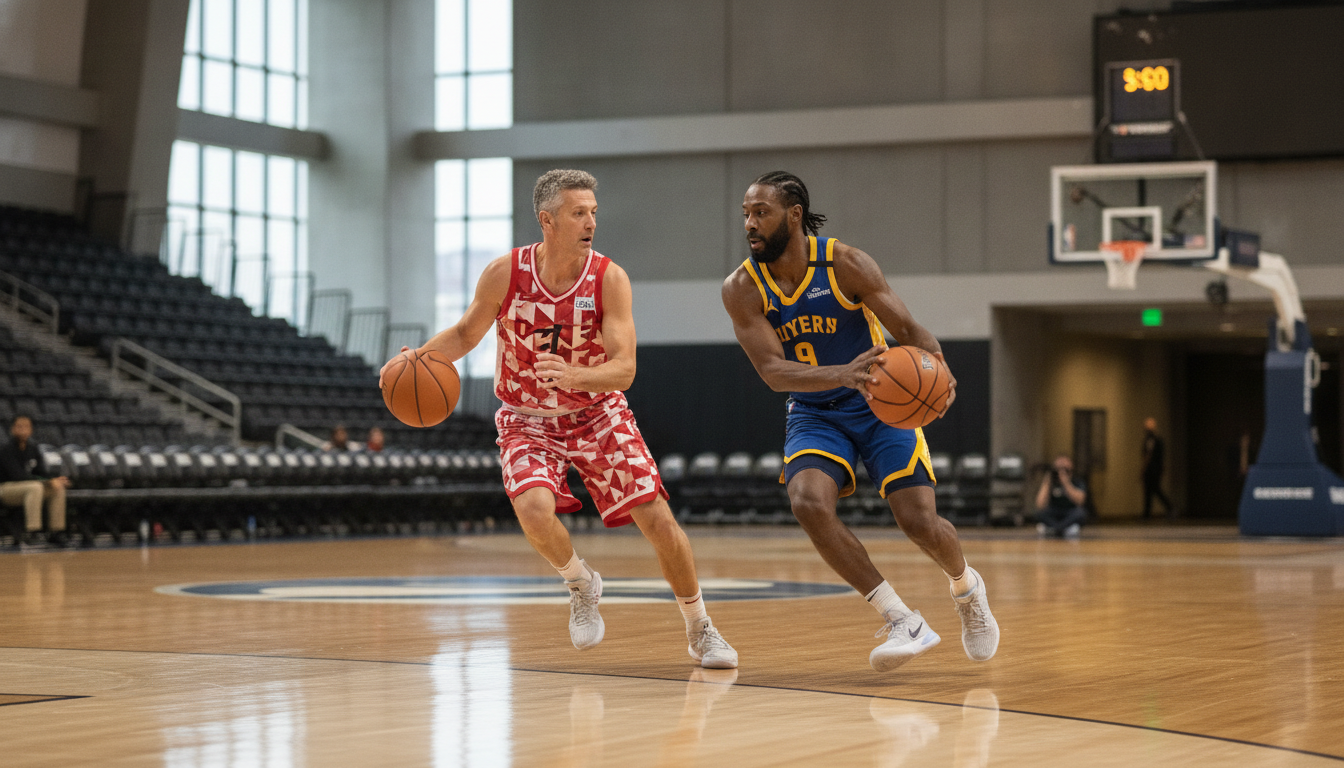
The role of the defensive specialist has changed. In the past, these players were often limited offensively but excelled at locking down opposing stars. Now, defensive stoppers are expected to be more versatile, able to guard multiple positions, switch on screens, and contribute offensively when needed.
For example, the 2026 NBA Draft featured three of the top ten picks praised primarily for their defensive abilities. The Miami Heat, Oklahoma City Thunder, and Toronto Raptors are building their rotations around defenders who can guard both the perimeter and the interior. These young players are redefining what it means to be a defensive asset.
- Miami Heat: Known for their culture of toughness, the Heat selected a guard who can defend multiple positions and force turnovers at a high rate. His energy and instincts have energized Miami’s second unit.
- Oklahoma City Thunder: The Thunder’s lineup features a rookie forward who excels at switching onto guards, contesting shots, and protecting the paint. His presence has helped OKC climb into the league’s top five in defensive efficiency.
- Toronto Raptors: Toronto’s focus on defense is highlighted by R.J. Carter, a rookie praised for his ability to guard four positions and disrupt passing lanes. Since his debut, the Raptors have posted one of the best defensive ratings in the league.
Notable Defensive Additions Shaping 2026
- Brooklyn Nets: After a disappointing playoff run in 2025, Brooklyn traded for veteran perimeter stopper Marcus Garrett. His relentless on-ball defense and knack for neutralizing elite guards has transformed the Nets’ defensive identity.
- Utah Jazz: The Jazz used their first-round pick on Jamal Walters, a 6'9" forward renowned for shutting down both wings and small-ball centers in college. Walters is already drawing comparisons to Mikal Bridges for his ability to switch and contest shots.
- Atlanta Hawks: Atlanta signed free agent center Daniel Gafford, whose shot-blocking and pick-and-roll defense have anchored a Hawks team now ranked among the league leaders in rim protection.
These additions are helping teams climb the defensive rankings and change the way games are played. Instead of trading baskets, teams are now focused on limiting opponents and creating scoring droughts.
Versatility and Positionless Defense
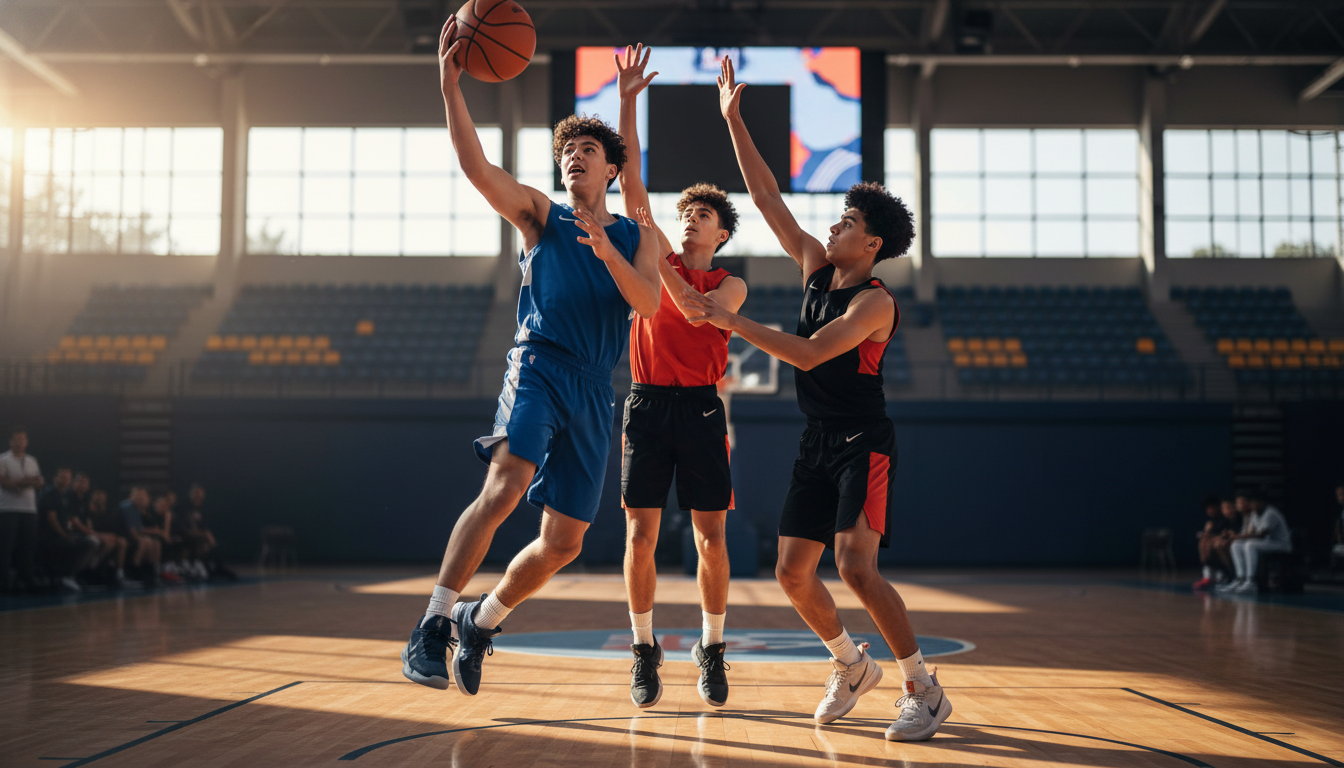
Modern NBA defenses rely on versatility. The rise of positionless basketball means the best defenders must be comfortable switching onto guards, wings, or bigs. This flexibility creates matchup headaches for opposing offenses and gives coaches more options for creative defensive schemes.
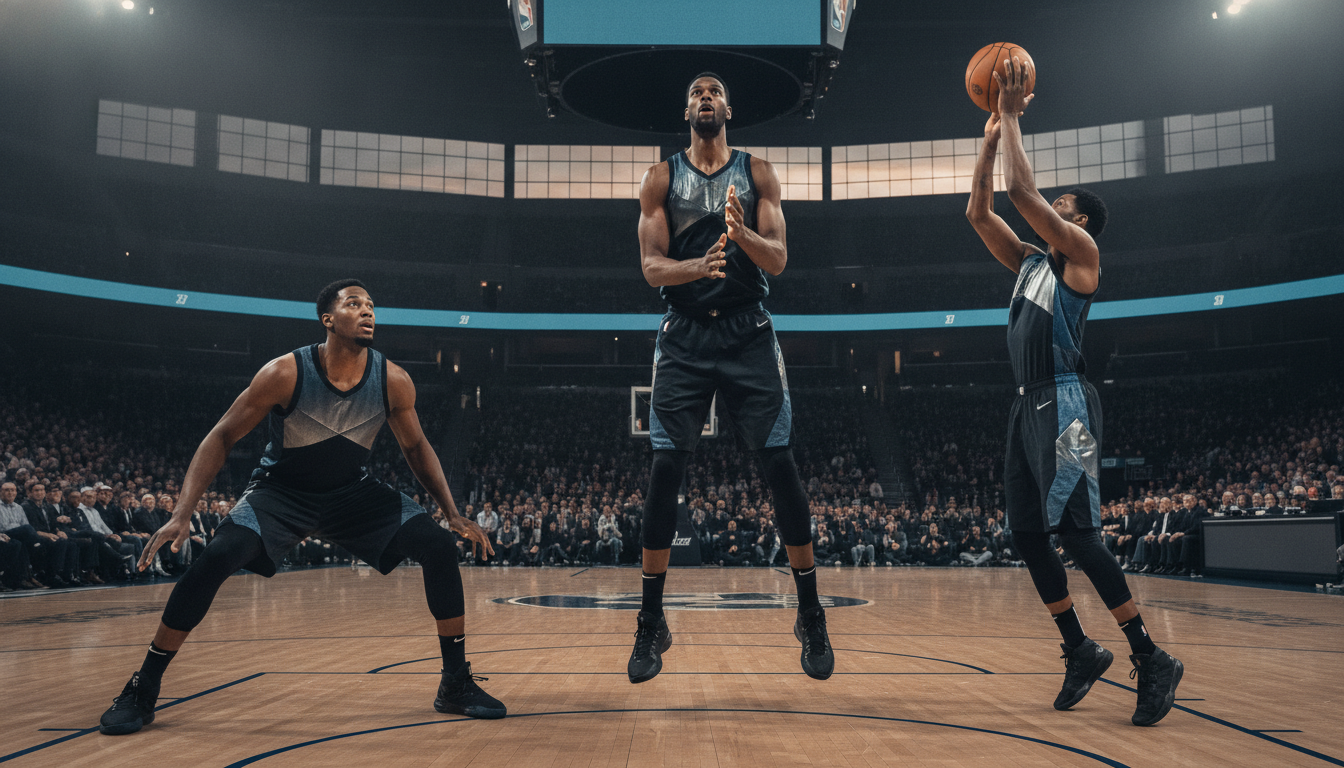
Players like OG Anunoby, Herb Jones, and R.J. Carter represent this modern prototype. Carter’s ability to guard four different positions and jump passing lanes is helping Toronto force turnovers and lock down opponents late in games. Teams with multiple versatile defenders can employ complex rotations and zone looks, forcing opponents out of their comfort zones.
Defensive-minded lineups are becoming the new norm. Coaches like Erik Spoelstra (Miami Heat) and Mark Daigneault (Thunder) are deploying specialized units during crunch time, choosing defenders over scorers to protect leads and close out wins. These strategies are showing up in fourth-quarter defensive metrics, with both teams near the top of the league.
Training, Analytics, and Player Development
NBA franchises are investing more resources in defensive development than ever. Teams are running specialized training camps, using advanced analytics to break down opponent tendencies, and even leveraging virtual reality simulations to sharpen players’ instincts. The result is a new generation of defenders who combine elite physical skills with a deep understanding of team schemes.
Player development staff are working closely with young stoppers to improve footwork, communication, and anticipation. The focus is on creating defenders who can excel individually and fit seamlessly into sophisticated team systems. This investment is paying off in tighter coverage, smarter rotations, and improved rebounding across the league.
Impact on the NBA Trade Market
The rising value of defensive specialists is reshaping the NBA trade market in 2026. Players once considered role players are now highly coveted assets. As the trade deadline approaches, contenders are actively pursuing defensive-minded wings and bigs.
Teams like the Milwaukee Bucks and Los Angeles Lakers are reportedly searching for another lockdown defender to solidify their playoff rotations. The price for proven defensive talent is climbing, with executives willing to sacrifice draft picks or offensive production for reliable stoppers.
Recent rumors suggest several playoff-bound teams are in talks to acquire established defenders before the postseason. This market shift is highlighting how valuable defense has become in the modern NBA, especially as teams look for an edge during the playoffs.
The Defensive Player of the Year Race
The focus on defense is making the 2026 Defensive Player of the Year award more competitive than ever. Veterans like Bam Adebayo and Jaren Jackson Jr. are facing stiff competition from emerging stars including Chet Holmgren and Jalen Williams. The award’s prestige has grown, as it now represents not just individual excellence but a team’s defensive culture and success.
With more teams emphasizing defense, candidates are being evaluated on versatility, impact, and leadership. The race is wide open, and defensive stats like steals, blocks, contested shots, and defensive win shares are getting new attention from fans and analysts.
Will Defensive Investments Pay Off?
As the playoffs draw closer, the big question is whether teams investing heavily in defense will see championship rewards. History supports this approach: teams with elite defenses tend to advance deeper and win more titles. With offenses more advanced than ever, only the best defensive teams can consistently slow down the league’s top scorers.
Fans can expect more tightly contested games, highlight-reel stops, and dramatic finishes as defense takes center stage. The 2026 NBA season is proving that while offense attracts attention, defense is what separates contenders from pretenders.
As rosters continue to shift and defensive specialists become more valuable, the trend shows no signs of slowing down. Teams that prioritize defense are not only staying competitive, they are leading the charge for NBA success in the modern era.